Working at height requires dependable equipment, proper planning, and clear safety procedures. Construction crews, maintenance teams, utility workers, and industrial technicians face serious risks whenever tasks take place on roofs, ladders, towers, scaffolds, platforms, or suspended access systems. Companies that shop Full Body Harness in Myanmar need equipment that supports worker movement while providing reliable protection during a fall event.
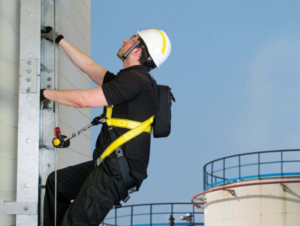
A full body harness serves as a central part of a complete fall-arrest setup. It connects a worker to a suitable lanyard, lifeline, self-retracting device, or anchorage system. Correct selection helps distribute arrest forces across the shoulders, thighs, chest, and pelvis rather than placing pressure on one small area.
GROXX GEARS supplies heavy-duty industrial equipment designed for demanding work environments. Its fall-protection range supports construction, building maintenance, facade access, industrial servicing, and other elevated tasks. Businesses planning to shop Full Body Harness in Myanmar can consider GROXX GEARS for dependable equipment suited to high-risk applications.
Why Workers Need a Full Body Harness for Elevated Tasks
Falls remain among the most serious hazards across construction and maintenance sites. Open roof edges, unstable work surfaces, elevated machinery, ladder access points, and temporary platforms can expose workers to sudden loss of balance. A full body harness helps connect each worker to a fall-protection system designed to arrest a fall before contact with a lower level.
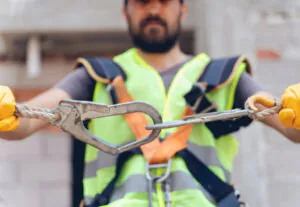
Harness design supports force distribution across stronger parts of the body. Shoulder straps, leg straps, chest straps, adjustment hardware, and attachment points work together to keep the worker supported. Correct positioning also reduces the chance of slipping free from the equipment during a fall.
Companies that shop Full Body Harness in Myanmar should remember that a harness cannot provide complete protection alone. A suitable anchor, compatible connector, energy-absorbing lanyard, horizontal lifeline, vertical lifeline, or self-retracting lifeline may also be required. Every component should match the task, work area, fall-clearance requirement, and worker movement pattern.
Proper training remains equally important. Workers must know how to inspect, wear, adjust, connect, and store their equipment. Supervisors should also prepare emergency procedures for prompt rescue after a fall.
Who Should Shop Full Body Harness in Myanmar
Many sectors require dependable fall-protection equipment. Construction contractors need harnesses for structural work, roofing, scaffolding, formwork, steel erection, and exterior finishing. Workers may move across changing elevations throughout each project, making correct equipment selection essential.
Facility managers and building maintenance teams also need harness systems for facade cleaning, glass replacement, roof repairs, inspections, painting, and sealant work. High-rise structures often require suspended access or permanent building maintenance systems that connect with suitable personal protective equipment.
Telecommunications teams may work on towers, poles, elevated platforms, and cable systems. Utility personnel may perform service work near overhead structures or access equipment positioned above ground level. Manufacturing plants, warehouses, processing facilities, and industrial sites may also require harnesses for machinery servicing, tank access, overhead maintenance, and platform work.
Procurement teams that shop Full Body Harness in Myanmar should assess every work activity before selecting equipment. Worker quantity, body size, connector type, anchor location, environmental exposure, and task duration all affect the most suitable choice.
Key Features to Check Before Buying a Full Body Harness
Product quality should remain a major consideration when companies shop Full Body Harness in Myanmar. A lower purchase price may seem attractive, yet weak materials, poor adjustment, or unsuitable hardware can create serious safety concerns. Buyers should compare construction, fit, compatibility, inspection details, and expected jobsite conditions.
Strong webbing supports daily exposure to movement, friction, dust, moisture, and rough surfaces. Buyers should check webbing condition, stitching quality, edge finish, and resistance to wear. High-quality stitching helps keep load-bearing sections secure under demanding conditions.
Buckles and adjusters should allow workers to secure chest, shoulder, torso, and leg straps correctly. Hardware should remain easy to operate while wearing work gloves, yet secure enough to prevent accidental loosening.
Attachment points also deserve careful review. A dorsal D-ring positioned at the upper back commonly supports fall arrest. Front or side attachment points may suit climbing, work positioning, or controlled access tasks, depending on equipment design and job requirements.
Comfort matters during long shifts. Poorly positioned straps can create pressure, restrict movement, or cause workers to loosen the harness. Padded support, sensible strap placement, suitable sizing, and balanced weight distribution can support better compliance.
Readable labels help supervisors track product identity, inspection history, manufacturing details, and retirement information. Buyers that shop Full Body Harness in Myanmar should choose equipment supported by clear documentation and usage guidance.
How a Full Body Harness Supports a Complete Fall-Arrest System
A reliable fall-arrest system includes more than body support. It also requires a suitable anchorage, connector, and deceleration component. Each part must work correctly with the others to reduce free-fall distance and arrest forces.
Horizontal lifeline systems allow workers to move across rooftops, bridges, platforms, or wide work areas while staying connected. Vertical lifelines support ladder climbing, tower access, and other upward or downward movement. Self-retracting lifelines can reduce slack and respond rapidly when sudden movement occurs. Shock-absorbing lanyards help manage energy during fall arrest.
Anchor placement affects swing-fall risk, required clearance, and worker mobility. An anchor placed too far from the work position may cause sideways movement during a fall. A poorly selected connection point may also increase fall distance.
Businesses that shop Full Body Harness in Myanmar should assess the complete system rather than buying separate parts without compatibility checks. GROXX GEARS supports broader fall-protection requirements through lifelines, anchor solutions, suspended access equipment, and building maintenance systems.
Full Body Harness Applications Across Myanmar Worksites
Construction remains one of the main applications for full body harnesses. Crews may need protection during steel installation, roof assembly, concrete work, scaffold access, formwork setup, and exterior construction. Site conditions change frequently, so safety teams should review anchor access and movement requirements as work progresses.
Building maintenance creates another major need. Exterior cleaning, glass replacement, facade inspection, roof servicing, and structural repair may require suspended platforms or rope-based access. Workers must connect to suitable systems before leaving protected areas.
Industrial facilities may require fall protection during equipment servicing, shutdown work, tank inspection, overhead repair, and elevated platform access. Heat, chemicals, sharp edges, or electrical hazards may affect product selection.
Telecommunications and utility projects may involve towers, poles, cable routes, or elevated service points. Workers often need freedom of movement while remaining continuously connected. Buyers that shop Full Body Harness in Myanmar should select equipment designed around those movement patterns.
Warehouses may also require harnesses for order-picking equipment, elevated maintenance, racking inspection, or roof access. Even tasks performed at moderate height can carry serious consequences when suitable edge protection or guardrails are unavailable.
Why Proper Harness Fit Matters
Correct fit helps keep a worker securely supported during normal movement and fall arrest. Loose straps may allow excessive movement or create a risk of slipping from the harness. Straps that are too tight may reduce mobility, cause discomfort, and interfere with work.
The dorsal D-ring should sit between the shoulder blades. Chest straps should remain positioned across the middle chest rather than near the neck or abdomen. Leg straps should fit securely without causing painful pressure. Shoulder straps should lie flat without twisting.
Each worker should complete a fit check before use. Clothing thickness, tool belts, body size, and work position can affect adjustment. A harness that fits one person may not fit another safely, even when both appear to have similar body dimensions.
Procurement teams that shop Full Body Harness in Myanmar should avoid treating one adjustable model as suitable for every employee. Size ranges must match actual users, and workers should receive guidance on correct fitting procedures.
Full Body Harness Inspection Before Every Use
Every harness should receive a visual and physical check before use. Webbing must be checked for cuts, fraying, burns, chemical damage, hard spots, pulled fibers, or heavy abrasion. Workers should slowly pass each strap through their hands while checking both sides.
Stitching should remain complete and secure. Broken, loose, or pulled threads may indicate damage. Buckles, adjusters, and D-rings should be checked for cracks, bends, corrosion, sharp edges, or unusual movement.
Labels should remain readable. Missing labels may prevent supervisors from confirming product identity, inspection requirements, or usage limits. Equipment history should also be reviewed when records show prior damage, heavy exposure, or involvement during a fall event.
Any questionable harness should be removed from service immediately. Workers should never attempt unauthorized repairs, patch damaged webbing, replace structural stitching, or modify attachment points.
Companies that shop Full Body Harness in Myanmar should establish documented inspection procedures. Formal checks by a qualified person should support worker checks completed before every shift or use.
Common Full Body Harness Buying Mistakes
Buying based only on price remains a common error. Fall-protection equipment must match specific hazards, worker needs, and system components. A low-cost harness may not provide the required attachment points, fit range, comfort, or durability.
Another mistake involves selecting equipment without checking compatibility. Hooks, carabiners, lanyards, lifelines, and anchor connectors should work together without creating rollout, side loading, or poor alignment.
Some businesses fail to account for environmental conditions. Moisture, heat, welding sparks, chemicals, dust, sharp edges, and constant sunlight may affect equipment performance and service life.
Rescue planning may also be overlooked. Fall arrest stops downward movement, yet a suspended worker still requires prompt recovery. Emergency teams need suitable rescue equipment, access plans, communication methods, and trained personnel.
Poor storage can damage otherwise dependable equipment. Harnesses should not remain exposed to wet floors, direct sunlight, vehicle heat, chemicals, or sharp tools.
Businesses that shop Full Body Harness in Myanmar should also avoid buying without training and inspection support. Equipment performs best when workers understand correct use and supervisors maintain proper records.
Why Choose GROXX GEARS for Fall Protection Equipment
GROXX GEARS focuses on heavy-duty equipment for construction, maintenance, and industrial work. Its product range supports crews operating across challenging environments where durability, dependable performance, and accurate equipment selection matter.
The company supplies fall-protection solutions for varied structures and applications. Horizontal and vertical lifeline systems support worker movement across roofs, ladders, and elevated access routes. Anchorage products help create secure connection points. Suspended access and building maintenance systems support facade cleaning, inspection, glass replacement, and exterior repair.
Companies that shop Full Body Harness in Myanmar can benefit from choosing a supplier familiar with broader safety system requirements. Harness selection should connect with anchor planning, lifeline choice, connector compatibility, rescue procedures, and worker training.
GROXX GEARS also serves heavy industrial requirements through equipment designed for demanding operating conditions. Its focus on material quality, accurate production, and durable performance supports buyers seeking dependable safety products.
How to Shop Full Body Harness in Myanmar for Your Worksite
Start by identifying every task that requires fall protection. Record work height, access method, available anchors, expected movement, fall clearance, and possible obstacles below the worker. This assessment helps determine suitable harness features and connecting equipment.
Measure workers and review product size ranges. Consider work clothing, protective coveralls, jackets, and tool belts that may affect fit. Select enough equipment for regular users, replacements, visitors, and emergency needs.
Review attachment requirements. Standard fall arrest may require a dorsal connection, while climbing or positioning tasks may require additional points. Each attachment must match the intended use stated by the equipment provider.
Check compatibility with shock-absorbing lanyards, self-retracting lifelines, horizontal lifelines, vertical lifelines, and anchor connectors. Avoid mixing components without confirming correct use.
Buyers planning to shop Full Body Harness in Myanmar should request technical details, inspection guidance, cleaning procedures, storage recommendations, and service-life information. Clear records support safer equipment management after purchase.
Full Body Harness Care and Storage Tips
Correct care supports equipment condition and inspection accuracy. Harnesses should be cleaned according to product guidance, then allowed to dry naturally away from direct heat. Strong chemicals, bleach, solvents, and harsh cleaning methods may damage webbing or hardware.
Storage areas should remain clean, dry, and protected from sunlight. Harnesses should be hung or placed loosely rather than compressed beneath heavy equipment. Sharp tools, welding gear, batteries, oils, and chemicals should remain stored separately.
Each harness can be assigned to a specific worker where practical. Personal assignment supports consistent fitting, better accountability, and clearer inspection history. Equipment records should include assignment, inspection dates, reported damage, cleaning activity, and retirement status.
Harnesses involved during a fall should be removed from service. Products showing cuts, burns, chemical exposure, damaged stitching, deformed hardware, or unreadable labels should also be isolated until properly assessed.
Companies that shop Full Body Harness in Myanmar should include storage and care requirements within their wider fall-protection program.
Pair Your Harness with Other Fall Protection Equipment
A harness works as one part of a larger safety setup. Shock-absorbing lanyards may suit tasks where sufficient fall clearance exists. Self-retracting lifelines may support areas where reduced slack and shorter arrest distance are preferred.
Horizontal lifelines support movement across wide areas. Vertical lifelines suit ladders, towers, and vertical access routes. Permanent or temporary anchor systems provide connection points based on project duration and structural conditions.
Rescue equipment should also form part of system planning. Retrieval devices, rescue lines, controlled descent equipment, and trained response personnel may be required according to the work environment.
Head protection, footwear, gloves, protective clothing, and tool-tethering products may support additional jobsite controls. Buyers that shop Full Body Harness in Myanmar should review all related hazards rather than focusing on fall arrest alone.
Shop Full Body Harness in Myanmar with GROXX GEARS
Work at height demands equipment selected around real jobsite conditions. Fit, attachment points, webbing quality, hardware strength, compatibility, inspection procedures, and rescue planning all affect worker protection.
GROXX GEARS supplies heavy-duty fall-protection products for construction, industrial operations, facility maintenance, telecommunications, utilities, and high-rise access. Its broader range includes lifelines, anchor solutions, suspended access equipment, and building maintenance systems.
Companies ready to shop Full Body Harness in Myanmar should review worker numbers, size requirements, job applications, anchor arrangements, movement needs, and environmental exposure before purchasing. A properly selected harness, combined with compatible system components and worker training, supports safer elevated work across demanding projects.
Frequently Asked Questions
What is a full body harness used for?
A full body harness supports a worker as part of a fall-arrest, restraint, climbing, or positioning system. It connects to suitable equipment such as a lanyard, self-retracting lifeline, vertical lifeline, horizontal lifeline, or anchor connector.
Where can companies shop Full Body Harness in Myanmar?
Companies can shop Full Body Harness in Myanmar through GROXX GEARS for construction, maintenance, industrial, utility, telecommunications, and elevated access applications. Buyers should provide task details and worker requirements before selecting equipment.
How should a full body harness fit?
The harness should fit securely without limiting movement. The dorsal D-ring should rest between the shoulder blades, the chest strap should sit across the middle chest, and leg straps should remain snug without causing painful pressure.
Can one harness fit every worker?
No. Adjustable models cover stated size ranges, but each worker needs an individual fit check. Body dimensions, clothing, tools, and work activity can affect proper adjustment.
How often should a full body harness be inspected?
Workers should inspect the harness before every use. Formal inspections should also follow workplace procedures, product guidance, usage frequency, and environmental conditions.
Can a harness be used again after stopping a fall?
Equipment involved during a fall should be removed from service immediately. Further action should follow product guidance and workplace procedures. Continued use without proper assessment may expose workers to hidden damage.
What equipment works with a full body harness?
Compatible equipment may include shock-absorbing lanyards, self-retracting lifelines, horizontal lifelines, vertical lifelines, carabiners, anchorage connectors, and permanent or temporary anchor points.
How should safety harnesses be stored?
Store each harness somewhere clean, dry, and protected from sunlight, moisture, chemicals, sharp items, and direct heat. Avoid placing heavy equipment on top of webbing or hardware.
Does GROXX GEARS supply other fall-protection products?
Yes. GROXX GEARS supplies lifeline systems, anchor solutions, fall-arrest components, suspended access equipment, and building maintenance systems suited to demanding work environments.
What information should buyers provide before ordering?
Buyers should provide worker quantity, size requirements, job tasks, working height, anchor location, movement needs, environmental conditions, connector preferences, and related equipment details before they shop Full Body Harness in Myanmar.