Vertical Lifeline in Cambodia has become an essential part of modern construction and industrial safety planning as infrastructure development continues to expand across cities, industrial zones, and rural projects. Work at height is now a routine requirement for telecom towers, high-rise buildings, energy facilities, and maintenance operations. This growing demand places strong focus on reliable fall protection systems that protect workers from serious accidents.
Vertical Lifeline in Cambodia refers to a fall arrest system designed to support safe climbing and descending on structures such as ladders, towers, and fixed access points. These systems play a critical role in reducing risks associated with elevated work environments, especially where continuous vertical movement is required.
Safety-focused engineering companies such as GROXX design advanced solutions that meet strict performance expectations for high-risk environments.
Understanding Vertical Lifeline in Cambodia Systems
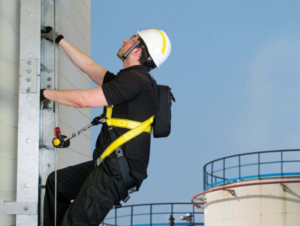
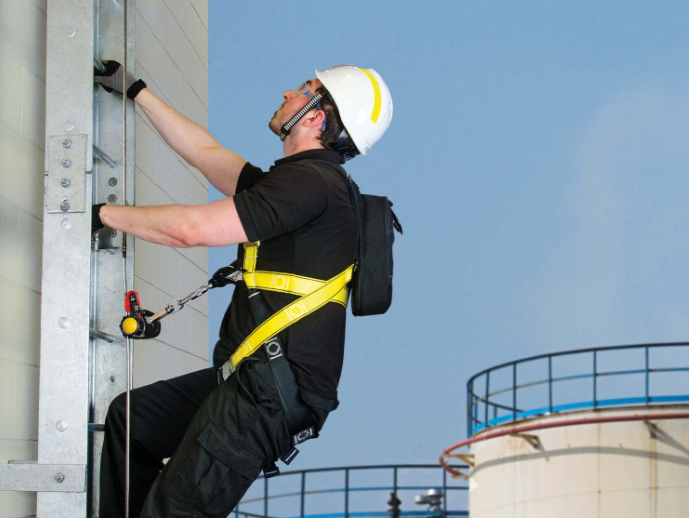
Vertical Lifeline in Cambodia systems are engineered safety setups that allow workers to remain attached to a secure anchor point while moving upward or downward. The system typically includes a lifeline cable or rail, a guided fall arrester device, anchoring points, and energy absorption components.
The main function of Vertical Lifeline in Cambodia is to stop a fall instantly if a worker slips during climbing. The fall arrester locks onto the lifeline and reduces the impact force on the worker’s body and the structure.
These systems are widely used across construction sites, maintenance projects, and industrial facilities where ladders or vertical access routes are required.
Importance of Vertical Lifeline in Cambodia for Construction Growth
Vertical Lifeline in Cambodia plays a major role in supporting the rapid expansion of construction activities. As Cambodia continues to develop urban centers and industrial infrastructure, more workers are exposed to elevated environments.
High-rise buildings, bridge structures, and telecommunications towers require safe access solutions. Without Vertical Lifeline in Cambodia systems, workers face higher exposure to fall hazards, which remain one of the leading causes of workplace injuries in construction sectors worldwide.
Contractors and project managers increasingly prioritize certified fall protection systems to meet safety expectations and maintain efficient project timelines.
Key Components of Vertical Lifeline in Cambodia Systems
A properly designed Vertical Lifeline in Cambodia system includes several critical components that work together to ensure safety and stability.
The lifeline cable or rail serves as the main guide for movement. It must be strong enough to support sudden load forces during a fall event. The guided type fall arrester connects the worker’s harness to the lifeline and automatically locks when rapid downward movement occurs.
Anchoring systems secure the lifeline to stable structural points such as steel frames or concrete structures. Energy absorbers help reduce impact forces during fall arrest, improving safety outcomes for the worker and the structure.
Each component must meet strict engineering standards to ensure consistent performance in real-world conditions.
Engineering Quality Behind Vertical Lifeline in Cambodia
Vertical Lifeline in Cambodia systems require precise engineering to ensure reliability under extreme load conditions. Manufacturing processes often include high-strength alloy selection, controlled heat treatment, and precision machining.
Companies such as GROXX focus on accuracy in component production, ensuring that tolerances remain tight and mechanical movement stays smooth. This reduces vibration during use and improves long-term durability.
Engineering quality is especially important for Vertical Lifeline in Cambodia systems because they must perform consistently in outdoor environments exposed to humidity, heat, and corrosion risks.
Applications of Vertical Lifeline in Cambodia Across Industries
Vertical Lifeline in Cambodia systems are used in several industries that require safe vertical access.
Construction sites use these systems for scaffold access, tower climbing, and structural installation work. Telecom companies rely on Vertical Lifeline in Cambodia systems for antenna installation and maintenance on tall communication towers.
Industrial facilities also depend on vertical lifelines for maintenance of equipment, storage tanks, and elevated platforms. Energy sectors use these systems for wind turbines, power plants, and transmission towers.
Each application requires careful system design based on structure height, load requirements, and worker movement patterns.
Installation Standards for Vertical Lifeline in Cambodia
Proper installation is a key factor in the performance of Vertical Lifeline in Cambodia systems. Installation begins with a detailed site assessment to identify suitable anchor points and structural strength.
Anchors must be installed on stable materials such as reinforced steel or concrete. Alignment of the lifeline is important to ensure smooth movement without obstruction. Improper alignment can affect the locking function of the fall arrester.
Workers must receive proper training before using Vertical Lifeline in Cambodia systems. Training includes correct harness usage, attachment procedures, and emergency response steps.
Regular inspection schedules are required to maintain system reliability over time.
Environmental Challenges Affecting Vertical Lifeline in Cambodia
Vertical Lifeline in Cambodia systems must perform under environmental conditions that include high humidity, heavy rainfall, and long exposure to sunlight. These conditions can cause corrosion if materials are not properly treated.
High-quality systems use corrosion-resistant coatings and durable alloys to extend service life. Maintenance routines help ensure that components remain functional and safe.
Dust and debris on construction sites can also affect system movement, making routine cleaning and inspection important for long-term reliability.
Common Errors in Vertical Lifeline in Cambodia Usage
Several mistakes can reduce the effectiveness of Vertical Lifeline in Cambodia systems.
One common issue is improper installation of anchor points, which can weaken system performance during a fall event. Another issue is failure to conduct regular inspections, which may allow wear and damage to go unnoticed.
Using incompatible harness equipment can also create safety risks. Workers must ensure that all components of the system are designed to work together.
Lack of proper training is another factor that contributes to unsafe use of vertical lifeline systems.
Benefits of Vertical Lifeline in Cambodia Systems
Vertical Lifeline in Cambodia systems offer several important benefits for workplaces at height.
They significantly reduce the risk of serious injury from falls. Workers gain greater confidence when performing tasks at height, which improves productivity and focus.
These systems also support compliance with safety regulations and industry standards. Over time, they reduce costs associated with workplace accidents and equipment damage.
Vertical Lifeline in Cambodia systems also improve overall job site organization by creating clear safety pathways for vertical movement.
Future Development of Vertical Lifeline in Cambodia Safety Systems
Vertical Lifeline in Cambodia systems continue to evolve as safety technology improves. More projects are adopting modular systems that allow flexible installation across different structure types.
There is also increasing demand for systems that offer easier inspection and maintenance features. Some modern designs include enhanced durability for extreme environments and improved compatibility with advanced safety harness systems.
As construction activity grows, safety awareness continues to increase, leading to broader adoption of engineered fall protection systems across Cambodia.
Vertical Lifeline in Cambodia
Vertical Lifeline in Cambodia remains a critical part of modern safety planning for any work involving height access. These systems protect workers, improve efficiency, and support safer construction and industrial environments.
Reliable engineering, proper installation, and consistent maintenance all contribute to the effectiveness of these systems. With continued development in infrastructure projects, demand for high-quality Vertical Lifeline in Cambodia solutions will continue to rise.
Companies such as GROXX play a key role in delivering engineered safety solutions designed for demanding environments.
FAQ: Vertical Lifeline in Cambodia
What is Vertical Lifeline in Cambodia used for?
Vertical Lifeline in Cambodia is used to protect workers during climbing or descending activities on structures such as ladders, towers, and high-rise access points.
Where is Vertical Lifeline in Cambodia commonly installed?
It is commonly installed on construction sites, telecom towers, industrial facilities, and energy infrastructure where vertical access is required.
What makes a good Vertical Lifeline in Cambodia system?
A good system includes strong anchoring, durable lifeline materials, a reliable fall arrester, and proper energy absorption components.
How often should Vertical Lifeline in Cambodia systems be inspected?
Regular inspections should be conducted before use and scheduled periodically based on site safety requirements and manufacturer guidelines.
Can Vertical Lifeline in Cambodia be used in all weather conditions?
Yes, but systems must be designed with corrosion-resistant materials to handle humidity, rain, and heat commonly found in tropical environments.
Why is training important for Vertical Lifeline in Cambodia use?
Training ensures workers understand correct attachment methods, movement procedures, and emergency response steps, reducing risk during operation.