
Why Online Sales Closers Are Transforming Modern Sales
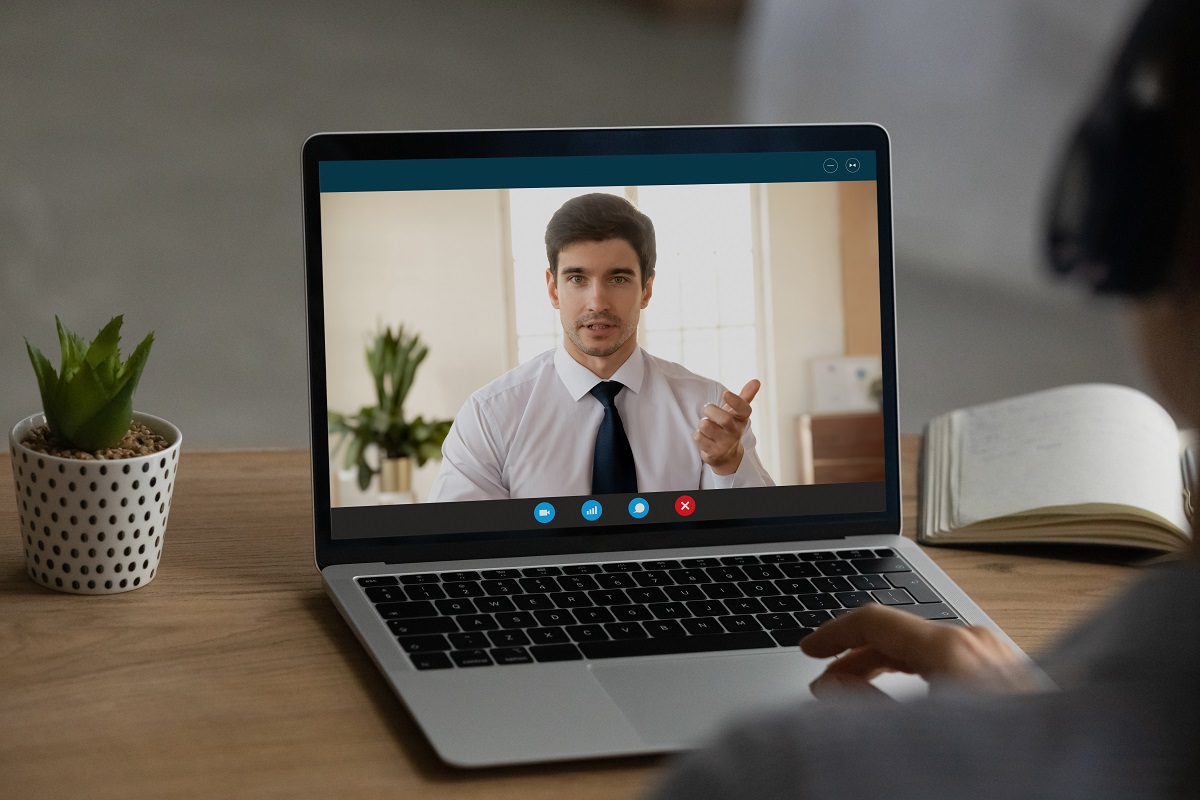
Online sales closers are changing how businesses approach revenue generation in a digital-first economy. Companies are no longer restricted by geography, office setups, or traditional sales limitations when building high-performing teams. Instead, they are relying on skilled remote professionals who can handle conversations, build trust, and close deals through virtual channels. This shift is largely driven by changing buyer behavior, where customers prefer convenience, speed, and personalized online interactions. Businesses in industries like coaching, SaaS, real estate, and digital services are increasingly adopting this model to scale faster. The demand for online sales closers continues to grow as companies aim to reduce overhead while increasing conversion efficiency. This evolution has made remote closing one of the most valuable roles in modern sales operations.
What Online Sales Closers Actually Do
Online sales closers are responsible for guiding potential customers from interest to purchase through structured communication. They engage prospects through video calls, phone conversations, and digital messaging platforms to understand needs and present tailored solutions. Their role goes beyond selling because they must also build trust, identify objections, and create clarity in decision-making. These professionals work closely with marketing and appointment setters to ensure qualified leads enter their pipeline. Every interaction is focused on helping prospects make informed buying decisions without pressure. Online sales closers also manage follow-ups, track pipeline activity, and ensure no opportunity is lost due to lack of communication. Their performance directly impacts revenue outcomes, making them a critical part of any sales system.
Key responsibilities include
- Conducting discovery and qualification calls
- Presenting product or service solutions clearly
- Handling objections with confidence and empathy
- Managing CRM updates and pipeline tracking
- Following up with warm and hot leads
- Collaborating with marketing and sales teams
- Closing high-ticket deals through virtual conversations
Essential Skills Every Online Sales Closer Needs
Online sales closers must develop a strong combination of communication, psychology, and strategic thinking skills. The ability to communicate clearly and persuasively is essential in remote environments where physical presence is absent. Active listening plays a major role because understanding customer pain points leads to more effective solutions. Emotional intelligence helps closers adapt their tone and messaging based on the prospect’s behavior. Negotiation skills are also crucial when dealing with pricing discussions or hesitation points. A strong understanding of buyer psychology allows closers to anticipate objections before they arise. Consistency and discipline ensure that performance remains stable even under pressure.
Important skill areas include
- Persuasive communication and storytelling
- Active listening and empathy building
- Remote negotiation techniques
- High-ticket sales strategy understanding
- Emotional intelligence in virtual conversations
- Time management and pipeline control
- Confidence in handling objections
Tools and Technology Used by Online Sales Closers
Modern online sales closers rely heavily on technology to manage their workflow and optimize performance. Customer Relationship Management systems help track leads, monitor conversations, and organize pipelines effectively. Video conferencing platforms allow closers to conduct face-to-face conversations regardless of location. Automation tools support follow-up sequences, appointment scheduling, and lead nurturing processes. Analytics dashboards provide insights into conversion rates and performance trends. Payment processing and contract tools simplify the final steps of closing deals. These technologies help online sales closers stay organized, efficient, and scalable in their daily operations.
Common tools include
- CRM platforms for pipeline management
- Video call software for client meetings
- Automated email and messaging systems
- Sales tracking and analytics dashboards
- Digital contract and payment solutions
- Scheduling tools for appointment setting
- AI-powered sales assistance platforms
How Businesses Benefit From Hiring Online Sales Closers
Businesses that hire online sales closers experience significant improvements in efficiency and revenue performance. One of the biggest advantages is the ability to scale sales operations without increasing physical infrastructure costs. Companies can access global talent, allowing them to work with skilled professionals across different time zones. This flexibility improves lead coverage and ensures that no opportunity is missed. Online sales closers also enhance customer experience by offering personalized, real-time communication. Higher conversion rates are achieved because prospects receive focused attention during the decision-making process. Overall, businesses gain a more predictable and scalable sales system.
Key business benefits include
- Increased conversion rates from qualified leads
- Reduced operational and staffing costs
- Access to global sales talent pools
- Faster deal closing cycles
- Improved customer engagement and trust
- Scalable remote sales infrastructure
- Better alignment between marketing and sales teams
Industries That Rely on Online Sales Closers
Many industries depend heavily on online sales closers to drive revenue and manage client relationships. Coaching and consulting businesses use them to convert high-ticket program inquiries into paying clients. SaaS companies rely on closers to explain software value and handle subscription-based selling. Real estate firms use virtual closing strategies to engage international buyers and investors. Digital marketing agencies depend on closers to sell ongoing service packages. Online education platforms also benefit from structured enrollment conversations handled by skilled closers. These industries require trust-based selling, making remote closers essential for growth. The flexibility of online sales closers allows them to adapt to different business models effectively.
Industries include
- Coaching and personal development
- SaaS and technology companies
- Real estate investment firms
- Digital marketing agencies
- Online education platforms
- E-commerce brands with premium offers
- Financial and consulting services
Online Sales Closers vs Traditional Sales Teams
Online sales closers differ significantly from traditional sales teams in structure, cost, and performance. Traditional sales often rely on in-person meetings, office environments, and geographic limitations. In contrast, online sales closers operate entirely through digital channels, making them more flexible and scalable. Businesses using remote closers often experience lower operational costs due to reduced infrastructure needs. The speed of communication is also faster in online systems, leading to shorter sales cycles. Performance tracking is more transparent because digital tools provide real-time data. These differences make online sales closers a preferred choice for modern businesses.
Key differences include
- Remote communication versus in-person meetings
- Lower operational and overhead costs
- Faster response and closing times
- Global accessibility for hiring talent
- Data-driven performance tracking
- Scalable team structures
- Higher adaptability to digital markets
How to Hire the Right Online Sales Closers
Hiring effective online sales closers requires careful evaluation of skills, experience, and communication style. Businesses must focus on candidates who understand high-ticket sales environments and remote communication dynamics. It is important to assess their ability to handle objections and maintain confidence during challenging conversations. Experience with CRM tools and sales pipelines is also valuable for operational efficiency. Cultural fit and professionalism play a major role in long-term success. Structured interviews and role-play scenarios help evaluate real-world performance. Businesses should also consider whether to build an internal team or outsource to specialized agencies.
Hiring considerations include
- Proven experience in sales environments
- Strong communication and persuasion skills
- Familiarity with remote sales tools
- Ability to handle objections confidently
- Professional and adaptable mindset
- Consistency in performance metrics
- Alignment with business goals
Training and Development for Online Sales Closers
Training is essential for developing high-performing online sales closers who can consistently deliver results. Businesses often use structured sales frameworks to guide communication and closing strategies. Role-playing exercises help simulate real-world conversations and improve confidence. Continuous coaching ensures that closers stay updated with market trends and buyer behavior. Reviewing recorded sales calls provides valuable insights for improvement. Ongoing development helps maintain consistency and adapt to changing sales environments. Strong training programs lead to higher conversion rates and improved team performance.
Training elements include
- Sales script development and refinement
- Live role-play practice sessions
- Objection handling workshops
- Performance coaching and feedback
- Call review and analysis sessions
- Continuous learning programs
- Strategy alignment with business goals
Challenges Online Sales Closers Face and How to Overcome Them
Online sales closers face several challenges in remote selling environments, especially when building trust without physical interaction. One common challenge is establishing credibility quickly during virtual conversations. Another challenge is handling rejection while maintaining motivation and confidence. Technical issues during calls can also disrupt communication flow. Managing multiple leads at different stages requires strong organizational skills. Emotional burnout can occur when dealing with high-pressure sales targets. However, these challenges can be managed through structured systems and consistent practice.
Common challenges include
- Building trust in virtual environments
- Managing rejection and pressure
- Handling technical disruptions
- Staying organized with multiple leads
- Maintaining motivation over time
- Communicating value clearly
- Adapting to different buyer personalities
Global Demand for Online Sales Closers
The demand for online sales closers is increasing across global markets as businesses expand their digital presence. Companies in the USA, UK, Canada, Australia, UAE, and Singapore are actively hiring remote closers to improve sales efficiency. This global demand is driven by the rise of online businesses and remote work adoption. Organizations are no longer limited to local talent pools, allowing them to hire top performers worldwide. Cross-border selling has become more common, requiring professionals who understand diverse customer behaviors. Online sales closers are now essential in supporting international growth strategies. This trend continues to grow as digital commerce expands globally.
Global demand drivers include
- Expansion of online businesses
- Remote work adoption worldwide
- International market growth
- Increased digital consumer behavior
- Need for scalable sales systems
- Cross-border communication requirements
- Rise of high-ticket online services
Future Trends Shaping Online Sales Closers
The future of online sales closers is closely tied to advancements in technology and evolving customer expectations. Artificial intelligence is expected to play a larger role in lead qualification and sales forecasting. Video-first communication strategies will continue to dominate remote selling environments. Data-driven decision-making will become more important for optimizing conversion rates. Personalization will be a key factor in building stronger customer relationships. Despite automation, human interaction will remain essential for trust-based sales. Online sales closers will need to adapt continuously to stay competitive in a changing landscape.
Emerging trends include
- AI-assisted sales processes
- Video-first selling strategies
- Advanced analytics and forecasting
- Hyper-personalized customer interactions
- Automation of repetitive tasks
- Increased focus on customer experience
- Stronger integration between sales and marketing
FAQ About Online Sales Closers
What are online sales closers?
Online sales closers are remote professionals who convert qualified leads into paying customers through virtual communication channels. They specialize in guiding prospects through the decision-making process and closing high-ticket deals. Their role is essential in digital-first business environments where remote selling is the standard approach. They often work with coaching companies, SaaS businesses, and agencies. Their performance is measured based on conversion rates and revenue impact.
How do online sales closers work remotely?
Online sales closers work through video calls, phone conversations, and digital messaging platforms. They connect with prospects who have already shown interest in a product or service. Using structured communication, they identify needs and present tailored solutions. They manage CRM systems to track leads and follow up effectively. Their workflow is fully digital and location-independent.
What industries hire online sales closers the most?
Industries that rely heavily on online sales closers include coaching, SaaS, real estate, digital marketing, and online education. These industries typically offer high-ticket services or subscription-based models. They require strong communication and trust-building skills to convert leads. Online closers help streamline the sales process in these sectors. Their role is critical for scaling revenue.
How much do online sales closers typically earn?
Earnings for online sales closers vary based on experience, industry, and commission structures. Many professionals earn through base salary plus commission models. High-performing closers in high-ticket industries can earn significant income. Remote opportunities often provide flexible earning potential. Performance directly influences income levels.
Are online sales closers suitable for small businesses?
Online sales closers can be highly beneficial for small businesses looking to scale quickly. They help improve conversion rates without requiring large in-house teams. Small businesses can use them on a part-time or contract basis. This allows flexibility and cost control. Their impact on revenue can be significant even for smaller operations.
What skills are most important for online sales closers?
Key skills include communication, persuasion, emotional intelligence, and negotiation. They must also understand buyer psychology and remote communication techniques. Time management and organizational skills are essential for managing pipelines. Technical familiarity with CRM tools is also important. Confidence and adaptability are crucial in virtual environments.
How can businesses measure performance of online sales closers?
Performance is measured using metrics like conversion rates, revenue generated, and call-to-close ratios. Businesses also track lead response time and pipeline efficiency. Customer feedback and engagement levels are also considered. CRM systems provide detailed analytics for evaluation. Consistent tracking ensures accountability and improvement.
What tools do online sales closers commonly use?
Online sales closers use CRM platforms, video conferencing tools, and automation systems. They also rely on scheduling tools and digital contract software. Analytics dashboards help track performance and conversion rates. AI tools are increasingly used for lead qualification. These tools improve efficiency and productivity.
Should businesses outsource online sales closers or hire internally?
The decision depends on business goals, budget, and scalability needs. Outsourcing provides flexibility and access to experienced professionals quickly. Hiring internally offers more control and integration with company culture. Both approaches can be effective depending on strategy. Many businesses use a hybrid model.
Why is demand for online sales closers growing globally?
Demand is rising due to the shift toward digital business models and remote work. Companies want scalable sales systems that reduce costs and increase efficiency. Global markets require professionals who can handle cross-border communication. Online sales closers provide flexibility and performance-driven results. This trend is expected to continue growing.
Takeaway
Online sales closers have become a core part of modern business growth strategies, especially in digital-first industries. Their ability to connect, communicate, and convert leads remotely makes them essential for scaling revenue efficiently. Businesses across global markets continue to invest in these professionals to stay competitive and agile. The combination of human communication skills and digital tools creates a powerful sales system that drives consistent results. As technology evolves and buyer behavior shifts further online, the role of online sales closers will remain highly valuable for years to come.