Why Choosing the Right Fall Protection System Matters in France
Businesses that operate at elevated work locations understand that worker safety should always be a top priority. Whether employees perform maintenance on rooftops, install telecommunications equipment, construct commercial buildings, or service industrial facilities, reliable fall protection systems help reduce the risks associated with working at heights. Companies looking to shop fall protection system in France should carefully evaluate equipment quality, workplace requirements, and compliance standards before making a purchase. France has a strong commitment to workplace safety, making it essential for employers to invest in dependable fall protection equipment that supports both worker well-being and operational efficiency. Choosing premium safety equipment also helps reduce downtime caused by preventable incidents while promoting employee confidence. Organizations that prioritize proper fall protection often experience better productivity because workers feel safer performing demanding tasks. Investing in the right system is not simply about meeting regulations; it demonstrates a company’s dedication to protecting its workforce and maintaining high professional standards.
Understanding What a Fall Protection System Includes
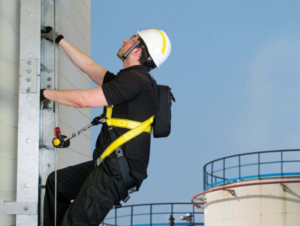
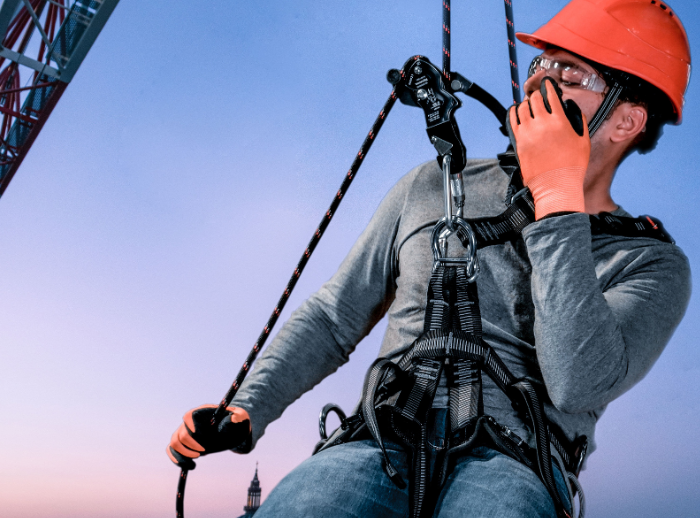
A fall protection system consists of several components that work together to safeguard workers exposed to fall hazards. The system typically includes a full body harness, connectors, lanyards, anchorage devices, lifelines, and energy absorbers designed to minimize impact during a fall. Each component serves a specific function, and removing or replacing one item with an incompatible product can reduce the system’s effectiveness. Modern systems are engineered to provide comfort while allowing workers to move freely during demanding tasks. High-quality equipment also offers durability against harsh weather conditions, corrosion, and daily wear. Employers should understand how every component functions before purchasing equipment to ensure maximum protection. When planning to shop fall protection system in France, selecting a complete and compatible system is one of the most important purchasing decisions an organization can make.
Types of Fall Protection Systems Available in France
France offers a wide variety of fall protection systems suitable for different industries and work environments. Personal fall arrest systems are among the most commonly used because they stop a worker safely after a fall occurs through the use of harnesses, shock-absorbing lanyards, and self-retracting lifelines. Fall restraint systems prevent workers from reaching dangerous edges by limiting movement before a fall can happen. Horizontal lifeline systems provide continuous protection across rooftops, bridges, and expansive work areas where employees need freedom to move safely. Vertical lifeline systems are ideal for ladders, towers, wind turbines, and confined spaces requiring vertical climbing. Guardrail systems provide passive protection without requiring workers to wear personal equipment in certain situations, while safety nets offer additional protection beneath elevated work zones. Understanding these options allows buyers to select the most appropriate solution based on their operational requirements instead of relying on a one-size-fits-all approach.
Industries That Need Fall Protection Systems in France
Many industries throughout France depend on reliable fall protection equipment to protect workers every day. Construction companies frequently require comprehensive safety systems for employees working on scaffolding, roofs, bridges, and high-rise developments. Manufacturing facilities often use fall protection during equipment maintenance, elevated production lines, and storage operations. Energy providers rely on specialized systems for technicians servicing wind turbines, power stations, and transmission towers. Telecommunications professionals require dependable equipment when installing antennas, communication towers, and fiber infrastructure. Warehouse operations frequently involve elevated maintenance tasks where proper fall protection minimizes workplace hazards. Aviation maintenance teams, transportation companies, and facility management providers also depend on certified safety equipment to complete projects efficiently. Regardless of the industry, organizations that shop fall protection system in France should prioritize equipment designed specifically for their work environment.
How to Shop Fall Protection System in France
Buying a fall protection system requires more than simply comparing prices between suppliers. Businesses should first conduct a detailed risk assessment to identify workplace hazards and determine which equipment best addresses those risks. Buyers should evaluate whether workers operate on rooftops, towers, elevated platforms, or confined spaces because each environment presents unique safety requirements. It is equally important to verify product certifications and ensure all equipment complies with recognized safety standards. Comparing product durability, warranty coverage, replacement availability, and technical support can help organizations make smarter long-term investments. Purchasing from experienced suppliers also provides access to expert guidance regarding equipment selection, installation, and maintenance. Taking a strategic approach when planning to shop fall protection system in France helps organizations obtain reliable equipment that supports workplace safety for many years.
Key Features to Look for Before Purchasing
Several important features distinguish premium fall protection equipment from lower-quality alternatives. Durable webbing materials provide strength while maintaining flexibility and comfort during extended work shifts. Adjustable harnesses allow proper fitting for different body sizes, improving both safety and worker comfort. Corrosion-resistant metal components increase product lifespan, particularly for outdoor applications exposed to rain, humidity, and changing weather conditions. Lightweight construction helps reduce worker fatigue without compromising structural integrity. Easy inspection points allow supervisors and safety personnel to identify wear or damage quickly before equipment is used. Compatibility between harnesses, connectors, anchors, and lifelines ensures the entire system functions as designed. Investing in products with these characteristics improves worker confidence while reducing long-term replacement costs.
Why Product Certification and Compliance Matter
Certified fall protection equipment provides greater confidence that products have undergone rigorous testing before reaching the marketplace. Compliance demonstrates that equipment has been evaluated for strength, durability, and performance under demanding working conditions. Employers benefit from using certified equipment because it supports workplace safety programs while helping reduce liability risks associated with inadequate protection. Proper documentation also simplifies safety audits and internal inspections. Employees gain additional confidence knowing they are protected by equipment designed to meet recognized safety expectations. Organizations should avoid purchasing uncertified products solely because they appear less expensive, as lower initial costs may result in greater long-term expenses. Selecting certified products remains one of the smartest decisions any company can make when purchasing height safety equipment.
Benefits of Investing in High-Quality Fall Protection Systems
High-quality fall protection equipment delivers value well beyond accident prevention. Reliable systems contribute to higher worker morale because employees feel protected while performing challenging tasks at elevation. Durable equipment requires fewer replacements, reducing maintenance expenses and lowering long-term operating costs. Comfortable harnesses improve mobility, allowing workers to complete projects more efficiently without unnecessary discomfort. Well-designed systems also simplify inspections, making routine maintenance faster and more effective. Businesses that invest in premium equipment often experience fewer operational disruptions resulting from damaged or unreliable safety gear. Choosing dependable products strengthens an organization’s overall safety culture while demonstrating a commitment to employee well-being and professional excellence.
Common Mistakes Buyers Should Avoid
Many organizations make purchasing decisions based primarily on price instead of overall value. Selecting the cheapest equipment may result in reduced durability, limited compatibility, or shorter product life spans. Another common mistake involves failing to match equipment with the specific hazards present at the worksite. Some buyers overlook employee comfort, even though uncomfortable equipment may discourage consistent use. Ignoring maintenance requirements can shorten equipment lifespan and increase operational risks. Organizations should also avoid purchasing products from suppliers that cannot provide technical guidance or after-sales support. Careful planning helps businesses avoid these costly mistakes while ensuring every investment contributes to long-term workplace safety.
Essential Maintenance and Inspection Practices
Routine inspection and maintenance play a critical role in preserving the effectiveness of every fall protection system. Workers should visually inspect harnesses, lanyards, connectors, and anchors before every use to identify signs of wear or damage. Scheduled inspections performed by qualified personnel provide an additional level of assurance that equipment remains suitable for service. Cleaning equipment according to manufacturer recommendations helps preserve webbing strength and hardware performance. Proper storage away from direct sunlight, chemicals, moisture, and extreme temperatures further extends equipment lifespan. Damaged or worn components should be removed from service immediately rather than repaired without manufacturer approval. Consistent maintenance practices protect both employees and organizational investments while supporting safer working environments.
How to Choose a Reliable Fall Protection Supplier in France
Selecting the right supplier is just as important as choosing the right equipment. Experienced suppliers typically offer a broader product selection suitable for multiple industries and workplace applications. They can provide technical consultation to help businesses identify appropriate safety solutions based on specific operational requirements. Reliable suppliers also maintain product availability, ensuring replacement equipment and accessories remain accessible when needed. Excellent customer support simplifies purchasing, installation, inspections, and warranty services throughout the equipment lifecycle. Businesses should also consider supplier reputation, delivery performance, and industry experience before making purchasing decisions. Working with a knowledgeable supplier gives organizations confidence that their investment supports long-term workplace safety objectives.
Future Trends in Fall Protection Systems
Fall protection technology continues to evolve as manufacturers develop smarter and more efficient safety solutions. Lightweight materials now provide exceptional durability while improving worker comfort during extended shifts. Smart safety technologies are becoming increasingly common, allowing equipment inspections and maintenance records to be managed digitally. Advanced self-retracting lifelines continue to improve mobility without compromising worker protection. Manufacturers are also designing equipment with enhanced ergonomic features to reduce fatigue and encourage consistent use. Greater emphasis on preventive safety solutions allows employers to identify hazards before incidents occur. Businesses that stay informed about these developments can make better purchasing decisions as they continue to shop fall protection system in France for future projects.
Frequently Asked Questions
What is included in a complete fall protection system?
A complete system generally includes a full body harness, anchorage device, connectors, lifeline, energy absorber, and lanyard or self-retracting lifeline. Each component works together to help protect workers operating at height.
How do I choose the right fall protection system in France?
Start by assessing workplace hazards, identifying work environments, verifying certifications, evaluating equipment compatibility, and selecting products from reputable suppliers with strong technical support.
How often should fall protection equipment be inspected?
Equipment should be visually inspected before every use and undergo scheduled inspections by qualified personnel according to workplace safety procedures and manufacturer recommendations.
Can one fall protection system be used across multiple industries?
Many systems are versatile, but the specific equipment should always match the hazards, work environment, and tasks performed within each industry.
Why is certification important when purchasing safety equipment?
Certification provides assurance that equipment has been tested for performance, durability, and reliability, helping employers provide safer working conditions.
What should I look for in a supplier?
Look for industry experience, certified products, technical expertise, responsive customer support, product availability, warranty coverage, and reliable delivery services.
Does investing in premium equipment save money over time?
Yes. High-quality equipment generally lasts longer, requires fewer replacements, reduces maintenance costs, and helps minimize expensive workplace incidents.
Takeaway
Organizations planning to shop fall protection system in France should focus on purchasing reliable, certified, and durable equipment that matches their specific workplace requirements. A carefully selected fall protection system helps safeguard employees, improves operational efficiency, and supports a stronger workplace safety culture. By evaluating equipment quality, supplier expertise, maintenance requirements, and long-term value, businesses can make informed purchasing decisions that protect both their workforce and their investment for years to come.