Work at height carries serious risks across construction sites, factories, towers, rooftops, warehouses, and building maintenance projects. A dependable full body harness helps protect workers whenever a fall hazard cannot be removed through guardrails, platforms, or other collective safety measures. Companies looking to shop Full Body Harness in France need more than a basic product listing. They need equipment that offers secure fitting, durable materials, compatible connection points, and clear technical information.
Groxx Gears supplies heavy-duty safety equipment for demanding work environments. Its focus on strength, performance, and practical site requirements makes the brand a valuable choice for contractors, facility teams, safety officers, and procurement departments. Buyers who shop Full Body Harness in France through a specialist supplier can compare harness features alongside anchor points, lanyards, self-retracting lifelines, horizontal lifelines, vertical lifelines, and building access systems.
Correct harness selection supports safe movement, better comfort, and greater worker confidence. Every purchase should match the task, body size, work position, anchor arrangement, and connecting equipment used across the site.
Why Companies Shop Full Body Harness in France
Construction and maintenance teams face fall hazards during roof work, scaffold access, ladder climbing, façade cleaning, structural checks, steel erection, and machinery servicing. Even a low-height fall may cause severe injury. A full body harness helps distribute arrest forces across the shoulders, thighs, chest, and pelvis when connected to a suitable fall-arrest setup.
Businesses that shop Full Body Harness in France should treat the harness as one part of a complete safety arrangement. The worker also needs a suitable anchor, approved connector, energy-absorbing lanyard or self-retracting lifeline, adequate fall clearance, training, inspection procedures, and a rescue plan. A harness alone cannot prevent every fall or guarantee safe recovery.
Groxx Gears supports this wider safety approach through equipment designed for tough construction and maintenance conditions. Buyers can review products based on work type rather than choosing only by price. That approach helps reduce mismatched equipment, poor fit, and weak compatibility between system parts.
Key Features of a Professional Full Body Harness
A quality harness must remain secure during movement while avoiding unnecessary pressure on the worker. Buyers who shop Full Body Harness in France should compare webbing, stitching, buckles, adjustment points, attachment rings, labels, and comfort features before placing an order.
Strong webbing forms the main load-bearing structure. It should resist normal worksite wear and maintain its form under regular adjustment. Reinforced stitching helps keep major strap sections connected. Metal parts should show no sharp edges, cracks, corrosion, or deformation.
Adjustment points matter because workers have different body shapes and clothing needs. Shoulder, chest, and thigh straps should allow a close fit without limiting movement. Buckles should lock securely and remain easy to check before use. A badly adjusted harness may shift during work or place pressure on the wrong body areas after a fall.
Attachment points also require careful review. Many fall-arrest harnesses use a dorsal attachment point located near the upper back. Other models may provide a sternal attachment point, side attachment points for work positioning, or rescue attachment features. Each point has a defined purpose, so workers must follow the product instructions and site procedure.
Comfort Matters During Long Work Shifts
Comfort affects how consistently workers wear and adjust safety equipment. A harness that twists, pinches, or creates heavy pressure may tempt users to loosen straps or remove the equipment during difficult tasks. Companies that shop Full Body Harness in France should look at padding, strap width, weight distribution, ventilation, and movement range.
Padded shoulder and leg areas may reduce pressure during long periods of wear. Breathable materials can support comfort during warm weather or physically demanding work. Clear adjustment markers may also help workers set straps more quickly and repeat the correct fit during later use.
Comfort should never replace technical suitability. A light harness may feel pleasant but still be wrong for suspended access, tower climbing, confined-space rescue, or work positioning. Product choice should begin with the hazard assessment, then consider comfort among models suitable for that task.
Groxx Gears can support buyers seeking equipment for heavy-duty use, where durability and worker mobility both matter.
Standards and Product Information to Check
Buyers who shop Full Body Harness in France should check whether the harness carries the required conformity information for sale and use across European markets. Fall-arrest harnesses commonly reference EN 361, which covers core requirements for full body harnesses used as personal fall protection equipment. Product labels, CE marking, model details, manufacturer information, and user instructions should be clear and readable.
A professional supplier should provide technical documents that explain intended use, adjustment, inspection, storage, cleaning, and retirement conditions. Buyers should also confirm whether any added attachment points support fall arrest, work positioning, restraint, rescue, or another purpose.
Standards do not replace proper site planning. Employers still need a suitable risk assessment, worker instruction, equipment checks, fall-clearance calculation, anchor review, and rescue procedure. Equipment should match the actual work method, not merely carry a familiar marking.
Groxx Gears supports informed buying by focusing on performance, compatibility, and practical worksite demands rather than offering equipment without context.
Harness Types for Different Work Applications
Different tasks require different harness layouts. Buyers who shop Full Body Harness in France should identify the work activity before comparing models.
General construction harnesses suit many routine tasks such as roofing, scaffold work, steel assembly, and elevated maintenance. These models often focus on simple adjustment, durable webbing, and a dorsal fall-arrest point.
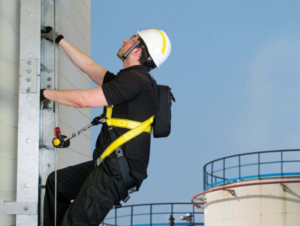
Climbing harnesses may support ladder, tower, mast, or fixed-access tasks. Workers need enough movement for repeated upward and downward travel. Compatibility with a vertical lifeline or guided fall arrester becomes a major concern.
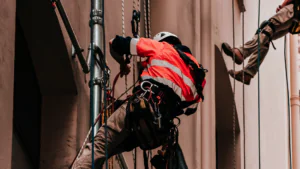
Suspended-access work may require additional support features. Façade cleaning, glass replacement, inspection, and building maintenance can involve cradles, platforms, rope systems, or roof-mounted access equipment. Harness selection must match the access method and rescue plan.
Confined-space work may require retrieval attachment points or compatibility with a rescue device. Such tasks demand careful planning because access may be narrow, movement may be limited, and rapid retrieval may be necessary.
Work-positioning harnesses may include side attachment points that support stable positioning during certain tasks. Those points should not be treated as fall-arrest points unless the product documentation clearly permits that purpose.
How to Choose the Correct Harness Size
Correct fit is essential whenever companies shop Full Body Harness in France. A loose harness may shift during movement or fall arrest. A harness that is too tight may restrict movement, create discomfort, and place pressure on sensitive areas.
Workers should use the manufacturer’s size chart rather than guessing. Clothing layers also matter. Cold-weather jackets, rain gear, or protective suits can change the fit. A model that fits well during warm conditions may need extra adjustment during colder months.
The dorsal ring should sit at the upper back according to the product instructions. Chest straps should remain secure without pressing against the throat. Leg straps should fit closely while still allowing normal movement. Loose strap ends should be secured so they do not snag on structures or machinery.
A fit check should include bending, reaching, walking, climbing motions, and basic task movements. Shared harnesses need fresh adjustment for every user. Personal issue may offer better consistency where site policy and budget allow it.
Match the Harness With the Correct Fall Protection Equipment
A full body harness must connect to suitable equipment. Buyers who shop Full Body Harness in France should review the full system before ordering.
Anchor points provide the connection location. Their type, position, strength, and structural support affect the whole setup. Roof anchors, concrete anchors, steel anchors, temporary anchors, and fixed systems serve different site needs.
Energy-absorbing lanyards help reduce forces during fall arrest. Single-leg models may suit direct access routes, while twin-leg models can support continuous connection during transfers. Length, connector type, clearance, and edge exposure require review.
Self-retracting lifelines allow the line to extend and retract as the worker moves. They may reduce free-fall distance when installed and used correctly. Buyers should check approved orientation, anchor location, edge rating, working length, and rescue considerations.
Horizontal lifelines support movement across roofs, platforms, and long elevated areas. Vertical lifelines support ladder, tower, and climbing routes. Groxx Gears supplies broader fall protection and building access solutions, which can help buyers source compatible equipment through one provider.
Site Factors That Affect Harness Selection
Every worksite creates different conditions. Companies planning to shop Full Body Harness in France should review the work height, available clearance, anchor location, worker movement, surface edges, weather exposure, task duration, and rescue access.
Sharp edges may damage webbing, lanyards, or lifeline cables. Dust, oil, paint, chemicals, heat, moisture, and welding sparks may also affect equipment life. Outdoor crews may need materials suited to rain, cold, sunlight, or repeated temperature changes.
Tool use adds another factor. Workers carrying heavy tools may need separate tool belts or approved support systems. Tools should not be attached to fall-arrest points unless the manufacturer allows it. Extra weight may affect movement and rescue planning.
Work duration also matters. A harness worn for ten minutes creates different comfort needs from one worn for a full shift. Teams should consider padding and breathability while keeping the correct safety rating as the first priority.
Pre-Use Inspection for Every Harness
Every worker should inspect the harness before each use. Buyers who shop Full Body Harness in France should also establish clear inspection records and removal procedures.
Webbing should be checked for cuts, fraying, burns, pulled fibres, chemical damage, hard spots, fading, or contamination. Stitching should remain complete and tight. Buckles and adjusters should close correctly and show no cracks, sharp edges, heavy corrosion, or distortion.
Attachment rings require close review because they carry major loads. Labels must remain readable, since they identify the product, standard, model, and inspection information. Any unauthorised repair, added hole, paint mark, heat damage, or altered stitching should trigger removal from service.
Equipment involved during a fall should leave service at once. Further use should follow the manufacturer’s instructions and competent assessment. Workers should never assume that a harness remains safe merely because no damage can be seen.
Cleaning, Storage, and Service Life
Good care helps protect harness materials and supports reliable inspection. Companies that shop Full Body Harness in France should provide suitable storage, cleaning guidance, and inspection schedules.
Harnesses should be stored away from direct heat, strong sunlight, moisture, sharp objects, oils, and harmful chemicals. Wet equipment should dry naturally. Direct heaters or open flames may damage synthetic fibres.
Cleaning should follow the manufacturer’s instructions. Harsh solvents, bleach, paint, and aggressive cleaners may weaken webbing or hide damage. Workers should never sew, glue, tape, drill, or alter load-bearing parts.
Service life depends on product design, use frequency, environmental exposure, damage history, storage conditions, and manufacturer guidance. A harness may require retirement before its maximum age where wear or contamination raises concern.
Common Buying Mistakes to Avoid
Price-only buying is one of the most common errors. A cheap harness may lack the comfort, adjustment range, documentation, or compatibility needed for the task. Buyers who shop Full Body Harness in France should compare total value rather than unit cost alone.
Another mistake is selecting one model for every task. Roofing, tower climbing, suspended access, rescue work, and general construction may require different features. Poor size choice also creates problems, especially where teams rely on one universal model without checking the actual sizing range.
Some buyers overlook clearance calculations or anchor position. A quality harness cannot compensate for an unsuitable anchor or insufficient space below the worker. Others mix connectors and devices without checking compatibility.
Lack of training creates another serious weakness. Workers need to know how to fit, inspect, connect, move, and respond after a fall. Rescue planning must also be ready before work begins.
Why Choose Groxx Gears
Groxx Gears serves construction, maintenance, industrial, and building access teams that require dependable equipment for demanding environments. Companies that shop Full Body Harness in France can benefit from a supplier that also understands anchor points, lifelines, rigging gear, suspended access, and building maintenance systems.
The brand places strong attention on durable materials, high-performance engineering, and practical jobsite needs. That approach supports buyers seeking equipment for repeated professional use rather than occasional light-duty tasks.
Access to several fall protection product groups can also simplify procurement. Harnesses, lanyards, anchors, self-retracting lifelines, horizontal lifelines, vertical lifelines, and access equipment must work together. Sourcing compatible items through a knowledgeable provider can reduce confusion and support clearer equipment planning.
Groxx Gears also serves teams responsible for façade cleaning, glass replacement, structural inspection, roofing, tower access, industrial repair, and facility upkeep. This broad product focus makes the company a strong option for buyers seeking a complete height-safety source.
Shop Full Body Harness in France With Greater Confidence
Companies ready to shop Full Body Harness in France should begin with the work activity, hazard assessment, worker size, anchor arrangement, and rescue plan. Product comfort, durability, adjustment, and certification should then guide the final choice.
A reliable harness supports worker safety only when fitted correctly and connected to a suitable system. Pre-use checks, formal inspections, proper storage, worker training, and clear retirement rules remain essential throughout the equipment’s service life.
Groxx Gears offers a practical source for professional fall protection equipment built for demanding construction and maintenance work. Buyers can review harnesses alongside anchor points, lanyards, lifelines, rigging products, and building maintenance solutions. That wider selection helps teams choose equipment that suits both the worker and the full work-at-height setup.
Frequently Asked Questions
Where Can Companies Shop Full Body Harness in France?
Companies can shop Full Body Harness in France through a specialist safety equipment supplier such as Groxx Gears. A professional supplier can help buyers compare sizing, attachment points, comfort features, standards, and compatibility with other fall protection equipment.
What Standard Applies to a Fall-Arrest Full Body Harness?
EN 361 commonly applies to full body harnesses used for fall arrest across European markets. Buyers should also check CE marking, product labels, user instructions, and conformity documents before purchase.
Can a Full Body Harness Stop a Fall by Itself?
No. A harness needs a suitable anchor and approved connecting equipment, such as an energy-absorbing lanyard or self-retracting lifeline. The setup also needs enough fall clearance and a rescue plan.
How Should a Full Body Harness Fit?
The harness should fit closely without causing painful pressure or blocking movement. Shoulder, chest, and thigh straps need correct adjustment, while the dorsal attachment point should sit at the position stated by the manufacturer.
Can Several Workers Share One Harness?
Shared use may be possible where the size range fits each worker and the harness is adjusted before every use. Hygiene, inspection, record keeping, and personal fit still require careful control.
How Often Should a Harness Be Inspected?
A worker should complete a pre-use check before every task. Periodic formal inspections should follow manufacturer instructions, site rules, and applicable safety requirements. Harsh use may require more frequent review.
Should a Harness Be Reused After a Fall?
Equipment involved during fall arrest should be removed from service immediately. Reuse should occur only where the manufacturer’s procedure and competent assessment clearly permit it.
What Equipment Works With a Full Body Harness?
Common system parts include anchor points, energy-absorbing lanyards, self-retracting lifelines, horizontal lifelines, vertical lifelines, connectors, and rescue devices. Every part must suit the task and work correctly with the others.
Which Harness Suits Façade Maintenance?
The right model depends on the access method, work position, suspension needs, rescue plan, and connection system. Façade teams may need added attachment points or support features beyond those found on a basic construction harness.
Does Groxx Gears Supply Other Height-Safety Equipment?
Yes. Groxx Gears supplies fall protection equipment, anchor solutions, horizontal and vertical lifelines, rigging gear, suspended access products, and building maintenance systems for demanding work environments.