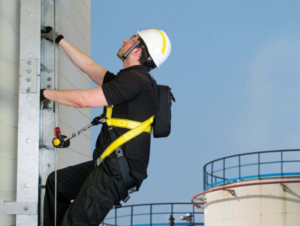
Worker safety becomes critical whenever construction crews, technicians, maintenance teams, or inspectors perform duties above ground level. A single slip may lead to serious injury, project delays, equipment damage, or costly operational disruption. Proper fall-protection equipment helps reduce these risks by supporting workers before, during, and after elevated tasks.
Businesses searching to shop Full Body Harness in Indonesia need more than a basic piece of safety gear. They require dependable equipment suited to local jobsite conditions, worker movement, task requirements, anchor locations, and complete fall-arrest planning. GROXX GEARS supplies heavy-duty industrial equipment built for construction, maintenance, rigging, facade access, and other demanding operations.
A full body harness supports several areas of the body during a fall-arrest event. Correct selection, fitting, connection, inspection, and storage remain essential for reliable performance. Buyers should also review compatibility with lanyards, lifelines, anchor points, connectors, and rescue equipment before placing an order.
Why Workers Need a Full Body Harness for Height-Related Tasks
A full body harness serves as a central part of a personal fall-arrest system. Its webbing wraps around the shoulders, chest, thighs, and pelvic area, helping distribute arrest forces across stronger parts of the body. This design offers more support than a basic waist belt during a fall.
Construction sites often feature open edges, unfinished floors, elevated platforms, ladders, scaffolds, rooftops, towers, and structural frames. Maintenance teams may also work near facade edges, suspended platforms, service shafts, tanks, machinery, or high building sections. Each setting presents different fall hazards.
A reliable harness helps keep the worker connected to a compatible fall-protection system. Depending on the task, that connection may involve an energy-absorbing lanyard, self-retracting lifeline, rope grab, vertical lifeline, horizontal lifeline, or approved anchorage device.
Companies planning to shop Full Body Harness in Indonesia should assess the complete work area rather than treating the harness as a stand-alone product. Fall distance, clearance, worker weight, tools, movement, rescue access, and anchor position all affect equipment selection.
Industries That Commonly Require Full Body Harnesses
Construction companies use full body harnesses for structural work, roofing, steel erection, scaffold assembly, concrete tasks, and high-rise projects. Workers may need freedom of movement while remaining connected to an anchorage or lifeline system.
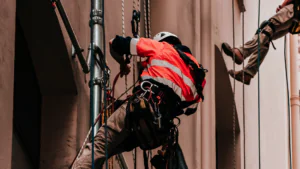
Building maintenance teams also rely on harnesses for facade cleaning, exterior repairs, glass replacement, inspection, waterproofing, and suspended access duties. High-rise structures often require planned access systems suited to complex building shapes and restricted service areas.
Industrial plants may require harnesses for tank access, equipment servicing, elevated machinery inspection, warehouse maintenance, and work above production areas. Dust, heat, moisture, grease, chemicals, and sharp surfaces may influence the required harness materials.
Telecommunications crews use harnesses for tower climbing, antenna installation, cable work, and equipment repair. Utility workers may need similar protection for poles, elevated lines, and service structures.
Marine, oil, gas, energy, and refinery operations can expose workers to demanding environments where durable hardware and compatible connection points matter. Buyers from these sectors often shop Full Body Harness in Indonesia alongside lifelines, anchor systems, lanyards, and rigging equipment.
Key Features to Review Before Buying a Full Body Harness
Webbing quality deserves careful review because the straps carry and distribute force during use. Buyers should look for strong synthetic webbing designed to resist wear, stretching, moisture, abrasion, and regular jobsite contact.
Buckles and adjustment points should secure the harness without slipping. Common adjustment areas include the shoulders, chest, waist, and legs. Easy adjustment can support better fit across different body sizes, work clothing, and protective gear.
Attachment points also vary by harness type. A dorsal D-ring located at the back commonly supports fall arrest. Chest or front attachment points may serve selected climbing, ladder, or rescue applications. Side D-rings may support work positioning, while suspension models can include added connection points.
Comfort features matter during long shifts. Padded shoulders, waist sections, back supports, and leg straps may reduce pressure and help workers maintain proper equipment use throughout the day.
Product labels should remain readable and provide key information such as model details, serial numbers, manufacturing dates, user capacity, and inspection references. Buyers who shop Full Body Harness in Indonesia should confirm that labels support their internal safety checks and equipment records.
Main Types of Full Body Harnesses
A general fall-arrest harness usually features a dorsal attachment point and adjustable straps. It suits many construction, maintenance, and industrial tasks when paired with a compatible connecting device.
A work-positioning harness provides added support for workers who need controlled hands-free positioning. Side D-rings and waist support may help during selected pole, tower, or structural tasks. A separate fall-arrest connection may still be required.
A climbing harness can feature chest or front attachment points suited to ladders, towers, fixed climbing systems, or vertical lifelines. Its design should match the planned climbing method and connection equipment.
A suspension harness supports rope-access or suspended duties. Added padding can help during extended periods where the worker’s weight remains supported by the harness.
Rescue and confined-space harnesses may include shoulder-mounted retrieval points or other features that support emergency removal. Such models can suit tanks, vessels, shafts, and restricted work areas.
Understanding these differences helps companies shop Full Body Harness in Indonesia according to actual work requirements rather than selecting one general model for every employee and task.
How to Select the Correct Harness for a Worksite
Start by reviewing the task. Identify whether the worker needs fall arrest, restraint, positioning, suspension, climbing support, or rescue capability. Each purpose can require different attachment points and supporting equipment.
Next, examine the work area. Measure possible fall distance and available clearance. Note nearby edges, machinery, structural members, electrical hazards, moving equipment, and lower-level obstructions.
Worker weight should include clothing, tools, carried materials, and protective equipment. A harness and its connecting components must suit the total working load stated by the manufacturer.
Environmental conditions also affect selection. Heat, rain, humidity, chemicals, welding sparks, paint, oil, dust, and abrasive surfaces may damage some materials faster than others. Equipment used outdoors may require different care compared with gear kept inside a controlled facility.
Companies ready to shop Full Body Harness in Indonesia should also review compatibility with existing anchors and lifelines. Mixing products without checking technical requirements can create unsafe connections or reduce system performance.
Correct Harness Fit and Adjustment
Proper fit helps the harness hold the worker securely during normal movement and a fall-arrest event. Loose straps may shift suddenly, while overly tight straps may restrict movement, circulation, and comfort.
Shoulder straps should lie flat without twisting. The chest strap should sit across the upper chest at a safe position rather than near the neck or abdomen. Leg straps should fit securely while allowing controlled movement.
The dorsal D-ring should remain properly positioned between the shoulder blades. Poor adjustment may cause the ring to sit too high, too low, or off-centre.
Workers should perform a fit check before each use. Adjustment may change when employees wear rain gear, jackets, coveralls, tool belts, or other protective clothing.
A supplier offering options for businesses that shop Full Body Harness in Indonesia should help buyers compare sizes, adjustment systems, attachment layouts, and comfort features suited to their workforce.
A Harness Works as Part of a Complete Fall-Arrest System
A full body harness alone cannot stop a fall. It must connect to a complete system that includes approved anchorage, connecting equipment, sufficient clearance, worker training, inspection procedures, and rescue planning.
Energy-absorbing lanyards can reduce forces created during fall arrest. Self-retracting lifelines may limit free-fall distance by extending and retracting as the worker moves. Product selection depends on the work area and anchorage position.
Horizontal lifelines allow movement across roofs, elevated platforms, and long work zones while maintaining connection. Vertical lifelines support climbing tasks on ladders, towers, and similar structures.
Anchor points must support the intended system and planned work method. Placement can affect swing-fall risk, clearance requirements, and worker movement.
GROXX GEARS provides industrial fall-protection options for companies seeking to shop Full Body Harness in Indonesia alongside horizontal lifelines, vertical lifelines, anchorage solutions, suspended access equipment, and building maintenance systems.
Benefits of Choosing a Quality Full Body Harness
Quality equipment offers secure support during elevated work and may help reduce injury severity during a fall-arrest event. Durable webbing, dependable hardware, and stable adjustment points support reliable daily use.
A well-fitted harness can also improve worker confidence. Employees can move more comfortably when their equipment fits correctly and connects properly to the planned system.
Suitable attachment points help match the harness to specific tasks. Construction workers, tower technicians, facade teams, rescue crews, and maintenance personnel may require different connection layouts.
Clear labels and traceable product details make inspection and recordkeeping easier. Safety officers can identify equipment, log inspections, review service history, and remove damaged items from use.
Companies that shop Full Body Harness in Indonesia should consider long-term value rather than purchase price alone. Comfort, durability, compatibility, inspection support, and intended service conditions all affect overall value.
Full Body Harness Inspection Before Every Use
Workers should inspect all webbing for cuts, burns, fraying, stretching, pulled fibres, chemical damage, paint contamination, or unusual wear. Even small defects may require removal from service.
Stitching should remain complete and secure. Broken, loose, missing, or pulled threads can signal damage that affects structural performance.
D-rings, buckles, adjusters, and other metal components should remain free from cracks, sharp edges, heavy corrosion, distortion, or binding. Each buckle should connect, lock, and release correctly.
Labels must remain readable. Missing or damaged labels can make it difficult to confirm capacity, model details, inspection status, or manufacturing information.
Any harness involved during a fall-arrest event should be removed from service according to manufacturer instructions and workplace safety procedures. It should never return to regular use without proper review.
Inspection requirements should remain a key consideration for every company planning to shop Full Body Harness in Indonesia.
Cleaning and Storage Practices
Harnesses should be cleaned according to manufacturer directions. Mild cleaning products may be suitable, while bleach, strong solvents, harsh chemicals, and unapproved cleaners can weaken webbing or damage hardware.
After cleaning, the harness should dry naturally away from flames, heaters, direct high heat, or prolonged sunlight. Wet equipment should not remain sealed inside a bag or container.
Storage areas should remain clean, dry, and protected from sharp objects, chemicals, moisture, crushing loads, and direct sunlight. Hanging the harness or placing it inside a suitable equipment bag can help prevent tangles and damage.
Periodic formal inspections should be completed by a competent person based on manufacturer guidance, workplace procedures, usage frequency, and jobsite conditions.
Proper care supports longer service life for businesses that shop Full Body Harness in Indonesia and manage several harnesses across multiple projects.
Common Mistakes to Avoid
Choosing a harness based only on low cost can result in poor fit, unsuitable attachment points, limited comfort, or weak compatibility with existing equipment.
Another common mistake involves using one harness model for every task. Fall arrest, climbing, work positioning, suspension, and rescue duties can require different features.
Connecting a harness to an unsuitable anchor also creates serious risk. Workers should understand approved anchor locations and connection methods before starting work.
Damaged gear should never remain active because a replacement is not immediately available. Cuts, burns, corrosion, distorted hardware, and faulty buckles require proper review.
Workers should never modify webbing, stitching, D-rings, buckles, or labels. Unapproved repairs may weaken the equipment and remove essential product identification.
A company preparing to shop Full Body Harness in Indonesia should also prepare training, inspection, storage, and rescue procedures before issuing equipment to workers.
Why Choose GROXX GEARS for Fall-Protection Equipment
GROXX GEARS supplies heavy-duty industrial solutions designed for demanding construction and maintenance operations. Its product focus covers worker protection, rigging equipment, precision fasteners, lifelines, suspended access solutions, and building maintenance systems.
The company supports work environments where equipment reliability matters. Projects may include high-rise structures, industrial plants, facade work, elevated maintenance zones, towers, rooftops, and complex access areas.
Buyers can review full body harness requirements alongside other system components. This helps teams consider anchorage, connectors, movement, access, fall clearance, and rescue needs as part of one safety plan.
GROXX GEARS also supports horizontal and vertical lifeline applications for workers who need controlled movement across roofs or along climbing routes. Suspended access solutions can assist facade cleaning, glass replacement, inspection, and exterior repair work.
Businesses searching to shop Full Body Harness in Indonesia can consider GROXX GEARS for equipment suited to industrial safety and work-at-height applications.
Factors That Affect Full Body Harness Cost
Harness cost can vary based on design, materials, attachment points, padding, adjustment style, capacity, and intended application. A basic fall-arrest model may cost less than a padded suspension or rescue harness.
Hardware quality also affects pricing. Buckles, D-rings, adjusters, and connectors designed for demanding use may add value through durability and dependable operation.
Comfort features can influence cost, especially for harnesses worn during long shifts. Added padding, breathable materials, quick-connect buckles, and ergonomic strap layouts may support better daily use.
Certification, traceability, inspection features, supplier support, and product availability may also affect the final price.
Rather than choosing the lowest-priced option, businesses that shop Full Body Harness in Indonesia should compare safety function, fit, work conditions, compatibility, expected service life, and care requirements.
Checklist Before Placing an Order
Confirm the worker’s task and required protection method. Review whether the job needs fall arrest, restraint, positioning, climbing, suspension, or rescue support.
Check worker size and total working weight. Confirm the correct attachment points and adjustment range.
Review the intended anchor, lanyard, lifeline, rope grab, or self-retracting lifeline. Verify that all components work together as a complete system.
Assess heat, rain, dust, chemicals, sharp edges, welding activity, and other jobsite conditions.
Ask about inspection requirements, cleaning instructions, storage recommendations, labels, technical details, and replacement guidance.
This checklist can help project managers and safety officers shop Full Body Harness in Indonesia with clearer product requirements.
Shop Full Body Harness in Indonesia with GROXX GEARS
Safe work at height depends on suitable equipment, correct fitting, proper anchorage, compatible connectors, worker training, routine inspections, and a practical rescue plan. A full body harness provides critical body support, but its performance relies on the complete fall-protection system.
GROXX GEARS supplies industrial safety products for construction, maintenance, facade access, rigging, and high-rise operations. Its broader range includes horizontal lifelines, vertical lifelines, anchor solutions, suspended access equipment, and building maintenance systems.
Contractors, facility managers, project owners, safety officers, and industrial teams can review their worksite risks before selecting a harness model. Task type, attachment points, worker capacity, comfort, materials, and equipment compatibility should guide every purchase.
Choose dependable equipment from a supplier focused on demanding industrial applications when you need to shop Full Body Harness in Indonesia.
Frequently Asked Questions
What is a full body harness used for?
A full body harness supports a worker during fall arrest, restraint, work positioning, climbing, suspension, or rescue tasks. The exact function depends on its design, attachment points, and connected equipment.
Who should wear a full body harness?
Workers exposed to fall hazards may require a full body harness. Common users include construction crews, roofers, tower technicians, maintenance personnel, facade workers, utility teams, inspectors, and industrial technicians.
How should a full body harness fit?
The harness should fit securely without excessive looseness or pressure. Shoulder straps should remain flat, the chest strap should sit correctly, leg straps should remain secure, and the dorsal D-ring should sit between the shoulder blades.
Can one harness suit every work-at-height task?
No. Different tasks may require different attachment points, support features, padding, materials, and connection methods. Buyers should match the harness to the specific application.
What equipment connects to a full body harness?
Common connecting equipment includes energy-absorbing lanyards, self-retracting lifelines, rope grabs, vertical lifelines, horizontal lifelines, and approved anchor systems.
How often should a full body harness be inspected?
Workers should inspect the harness before every use. Formal inspections should also occur according to manufacturer instructions, workplace procedures, usage frequency, and exposure conditions.
Can a harness be reused after stopping a fall?
A harness involved during a fall-arrest event should be removed from service immediately. Follow manufacturer guidance and workplace procedures regarding evaluation, disposal, or replacement.
What signs of damage should workers check?
Look for cuts, burns, fraying, stretched webbing, broken stitching, chemical damage, corrosion, distorted hardware, faulty buckles, missing parts, and unreadable labels.
How should a full body harness be stored?
Keep it within a clean, dry, protected area away from sunlight, chemicals, moisture, sharp objects, heat, and crushing loads. A suitable equipment bag or hanging storage system can help protect it.
Where can companies shop Full Body Harness in Indonesia?
Companies can shop Full Body Harness in Indonesia through GROXX GEARS, a provider of industrial fall-protection equipment, lifeline systems, suspended access solutions, rigging gear, and building maintenance equipment.