Understanding the Importance of Vertical Lifeline in Cambodia
Working at height is one of the most challenging activities across many industries, requiring reliable safety solutions that protect workers from potential falls and injuries. As Cambodia continues to experience growth in construction, infrastructure development, telecommunications, and industrial operations, the demand for effective height safety equipment is increasing. A Vertical Lifeline in Cambodia provides workers with continuous protection while moving vertically on structures such as towers, ladders, poles, and elevated platforms. This type of fall protection system is designed to support safer working conditions by keeping employees connected to a secure line during climbing and elevated tasks. Companies that prioritize worker safety can reduce risks, improve operational efficiency, and create stronger workplace protection programs. Selecting the right vertical lifeline system is an important step for businesses that want to maintain professional safety standards. With proper equipment, installation, and training, workers can perform height-related tasks with greater confidence and security.
A vertical lifeline system plays an essential role in preventing severe accidents caused by falls from elevated locations. Unlike basic safety equipment that only protects workers in limited situations, vertical lifeline systems allow greater movement while maintaining continuous attachment to a secure point. This makes them suitable for environments where employees frequently climb or access high areas. Construction workers, maintenance technicians, and industrial professionals often face changing work conditions, making adaptable safety solutions extremely valuable. A properly designed Vertical Lifeline in Cambodia helps companies create safer workplaces while supporting productivity. Employers can also demonstrate their commitment to employee protection by investing in dependable fall prevention equipment. As safety awareness continues to grow, vertical lifeline systems are becoming an important part of workplace protection strategies.
What Is a Vertical Lifeline System and How Does It Work?
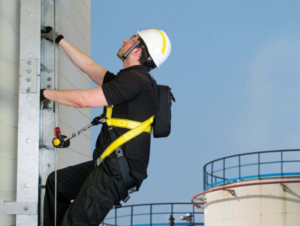
A vertical lifeline system is a specialized fall protection solution that allows workers to safely move up and down vertical structures while remaining connected to a secure safety line. The system typically includes a vertical cable or rope, anchorage points, connectors, and a guided fall arrest device. When a worker climbs normally, the fall arrester moves smoothly along the lifeline, allowing freedom of movement. If an unexpected fall occurs, the device automatically locks onto the lifeline to reduce the distance of the fall and help protect the worker. This automatic response provides immediate support during dangerous situations. The system is commonly installed on ladders, towers, poles, and other vertical access points where fall risks are present.
The effectiveness of a vertical lifeline depends on the quality of each component and proper installation practices. The anchor point must provide sufficient strength to support the system and the worker during a fall event. The lifeline material should be durable enough to handle environmental conditions, repeated use, and workplace demands. A compatible full body harness and connecting equipment are also necessary to create a complete protection system. Workers must understand how to properly attach themselves and operate the equipment before beginning any elevated work. Regular inspection and maintenance are essential to ensure that every component continues to function correctly. A complete Vertical Lifeline in Cambodia solution combines reliable equipment with proper safety procedures to deliver maximum protection.
Key Industries That Require Vertical Lifeline in Cambodia
Many industries across Cambodia depend on vertical lifeline systems because their workers regularly perform tasks at elevated heights. The construction industry is one of the major sectors where fall protection equipment is required, especially for high-rise buildings, commercial projects, and infrastructure development. Construction workers often need to climb temporary structures, ladders, and building frameworks, making continuous fall protection extremely important. Telecommunications companies also rely on vertical lifeline systems when technicians maintain communication towers and related equipment. These workers often operate at significant heights where a reliable fall arrest solution is necessary. A properly installed vertical lifeline allows technicians to complete tasks while maintaining a secure connection.
Industrial facilities and manufacturing plants also benefit from using vertical lifeline systems for equipment maintenance and inspections. Workers may need to access elevated machinery, storage areas, or production structures where traditional safety methods may not provide enough protection. Energy and utility companies use these systems when employees work on electrical structures, poles, and other vertical installations. Building maintenance teams also depend on height safety equipment when performing inspections, repairs, and cleaning activities. By implementing a suitable Vertical Lifeline in Cambodia, organizations across different sectors can reduce workplace hazards. The growing awareness of occupational safety has encouraged more businesses to adopt professional fall protection solutions.
Essential Components of a Reliable Vertical Lifeline System
A dependable vertical lifeline system consists of several important components that work together to protect workers at height. The lifeline itself serves as the main connection point, providing a secure pathway for vertical movement. High-quality cables or ropes are designed to withstand tension, environmental exposure, and regular workplace use. Anchor systems provide the foundation of the installation by connecting the lifeline securely to a structure. A strong anchorage point is critical because it must support the forces generated during a fall. Guided fall arrest devices are another important component because they respond quickly during sudden movement. These devices allow workers to climb freely while providing automatic protection when needed.
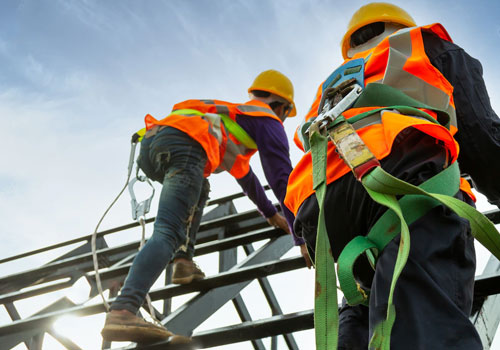
A complete safety setup also requires compatible personal protective equipment such as full body harnesses, connectors, and shock-absorbing elements. Each component must work together to ensure the entire system performs effectively. Using incompatible equipment can reduce safety performance and create unnecessary risks. Businesses should select components that meet recognized safety requirements and are suitable for their specific working environment. Cambodia’s climate conditions, including heat, humidity, and outdoor exposure, should also be considered when selecting materials. Regular inspections help identify damage, wear, or corrosion before equipment becomes unsafe. Investing in quality components ensures that a Vertical Lifeline in Cambodia remains reliable throughout its service life.
Benefits of Installing Vertical Lifeline Systems in Cambodian Workplaces
Installing a vertical lifeline system provides numerous benefits for companies that require employees to work at height. The primary advantage is improved worker protection by reducing the risk of serious injuries caused by falls. Employees can perform climbing activities with greater confidence because they have continuous protection throughout their movement. This improved sense of security can help workers focus on completing tasks efficiently. Companies can also strengthen their workplace safety programs by implementing professional fall protection equipment. A safer working environment can contribute to better employee morale and improved operational performance.
A Vertical Lifeline in Cambodia also helps organizations manage safety responsibilities more effectively. Employers can demonstrate their commitment to protecting their workforce by providing appropriate safety equipment and training. Reliable fall protection systems can help reduce downtime caused by workplace accidents and improve overall project efficiency. Businesses that invest in safety solutions often create stronger safety cultures where employees understand the importance of following proper procedures. Vertical lifeline systems are especially valuable for industries where frequent climbing and elevated access are required. By choosing the right equipment, companies can create safer workplaces while supporting long-term operational goals.
Choosing the Right Vertical Lifeline in Cambodia for Different Applications
Selecting the correct vertical lifeline system requires careful consideration of the working environment, structure type, and employee requirements. Different industries may require different designs depending on the height, frequency of use, and location of the installation. Businesses should evaluate whether they need temporary systems for short-term projects or permanent systems for ongoing operations. The type of structure, weather exposure, and number of users should also influence the selection process. Choosing the wrong equipment can reduce effectiveness and create safety concerns. Professional advice from experienced safety equipment providers can help organizations make better decisions.
The quality of the equipment should always be a priority when selecting a Vertical Lifeline in Cambodia. Durable materials, proper certification, and reliable performance are important factors when comparing available options. Companies should avoid focusing only on initial costs because low-quality equipment may create higher expenses in the future. A professional supplier can help identify solutions that match specific workplace needs. Proper installation support and after-sales service are also valuable considerations. The right vertical lifeline system should provide dependable protection while meeting the demands of the workplace.
Installation and Maintenance Practices for Vertical Lifeline Systems
Proper installation is essential for ensuring that a vertical lifeline system performs effectively during everyday use and emergency situations. The installation process should be completed by trained professionals who understand structural requirements and safety procedures. Anchor points must be positioned correctly and tested to ensure they can support expected loads. The lifeline should be installed according to manufacturer recommendations and workplace safety requirements. After installation, workers should receive training on how to use and inspect the system correctly. This helps prevent misuse and improves overall safety performance.
Regular maintenance is equally important for keeping a Vertical Lifeline in Cambodia in excellent working condition. Inspections should check for damaged cables, worn connectors, corrosion, and other signs of deterioration. Any damaged component should be repaired or replaced immediately to prevent safety risks. Workers should inspect equipment before each use and report any concerns to supervisors. Scheduled professional inspections can identify issues that may not be visible during routine checks. Proper maintenance extends equipment lifespan and ensures consistent protection for workers.
Safety Standards and Compliance Considerations for Vertical Lifeline in Cambodia
Workplace safety requires more than simply providing equipment; companies must also establish proper procedures and training programs. A vertical lifeline system should be selected and installed according to recognized safety practices. Compliance with safety requirements helps organizations maintain better protection standards and reduce workplace risks. Employers should provide workers with training on equipment usage, hazard identification, and emergency response procedures. Safety assessments should be performed regularly to identify possible improvements. A complete height safety program combines equipment, training, and proper management practices.
Companies using a Vertical Lifeline in Cambodia should prioritize quality, reliability, and professional installation. Safety managers should evaluate workplace conditions and select solutions that meet operational requirements. Regular reviews of safety procedures help organizations maintain effective protection systems. Employees should understand their responsibilities when using fall protection equipment. By creating a strong safety culture, businesses can improve workplace conditions and protect valuable employees. A proactive approach to height safety supports safer operations across multiple industries.
Common Mistakes to Avoid When Using Vertical Lifeline Systems
Many workplace accidents occur because of improper equipment selection, incorrect usage, or insufficient maintenance. One common mistake is using equipment that does not match the specific application or working environment. Another issue is failing to inspect the system regularly before use. Workers may also face risks when they have not received proper training on how to operate the equipment. Combining incompatible safety components can reduce the overall effectiveness of the protection system. Ignoring damaged equipment can create serious hazards for employees.
Organizations should establish clear procedures to prevent these mistakes and improve workplace safety. Workers should understand how to correctly connect their harnesses and use fall arrest devices. Supervisors should monitor safety practices and provide additional guidance when needed. Equipment should always be inspected, maintained, and replaced according to safety recommendations. Choosing a reliable Vertical Lifeline in Cambodia provider can also help businesses avoid poor-quality solutions. Proper planning and education are essential for achieving effective fall protection.
Frequently Asked Questions About Vertical Lifeline in Cambodia
What is a Vertical Lifeline system used for?
A vertical lifeline system is used to protect workers who climb or perform tasks at elevated locations. It provides continuous connection to a secure safety line while allowing workers to move vertically.
Why is Vertical Lifeline in Cambodia important for workplace safety?
A vertical lifeline system helps reduce fall risks by providing automatic protection during climbing activities. It supports safer working conditions for employees in high-risk industries.
Which industries commonly use Vertical Lifeline systems?
Construction, telecommunications, energy, industrial facilities, and building maintenance sectors commonly use vertical lifeline systems.
How often should a vertical lifeline system be inspected?
The system should be inspected before use and regularly checked by qualified professionals to maintain reliable performance.
Can vertical lifeline systems be installed on existing structures?
Yes, but the structure must be evaluated to ensure it can support the system safely.
What training is needed before using a vertical lifeline?
Workers should receive training on proper attachment methods, equipment inspection, safe climbing practices, and emergency procedures.
How can businesses select the right Vertical Lifeline in Cambodia?
Businesses should consider workplace conditions, equipment quality, safety requirements, and professional installation support when selecting a system.
Takeaway
A reliable Vertical Lifeline in Cambodia is an essential safety solution for businesses that require employees to work at height. It provides continuous protection, improves worker confidence, and supports safer workplace practices across various industries. Choosing quality equipment, ensuring proper installation, and providing worker training are key steps in creating an effective fall protection program. As Cambodia’s industries continue to grow, investing in professional vertical lifeline systems will remain an important priority for protecting workers and improving workplace safety.