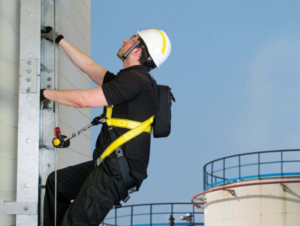
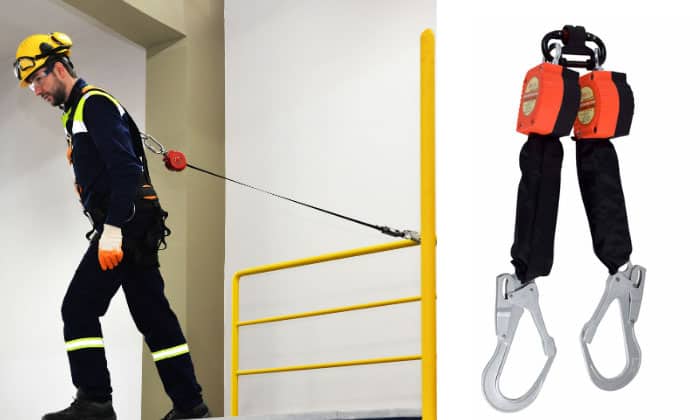
Worker safety has become a growing priority across Myanmar as industries continue to expand and modernize. Construction projects, manufacturing facilities, telecommunications infrastructure, energy operations, and industrial maintenance all involve employees working at elevated locations where fall hazards are present. A Self Retracting Lanyard in Myanmar plays an essential role in reducing these risks by providing dependable fall arrest protection while allowing workers greater freedom of movement. Unlike traditional lanyards that often create unnecessary slack, a self retracting lanyard automatically extends and retracts as the user moves. This design helps minimize free-fall distance and improves overall workplace safety. Employers who invest in quality fall protection equipment also demonstrate their commitment to protecting their workforce and maintaining operational efficiency. As more organizations focus on safety compliance, self retracting lanyards continue to become a preferred solution for working at heights.
What Is a Self Retracting Lanyard?
A self retracting lanyard is an advanced personal fall arrest device designed to stop a worker safely if a fall occurs. It contains a retractable lifeline housed inside a durable casing that automatically extends as the user moves and retracts when slack is created. During normal work activities, this mechanism allows workers to move comfortably without dragging excess webbing or cable behind them. If a sudden fall happens, the internal braking system locks almost instantly, reducing the distance the worker travels before being stopped. This quick response helps reduce impact forces and lowers the risk of severe injuries. Self retracting lanyards are commonly paired with full-body harnesses and approved anchor points to create a complete fall protection system. Because of their efficient operation and dependable performance, they are widely used in industries throughout Myanmar where elevated work is part of daily operations.
Main Components of a Self Retracting Lanyard
Every self retracting lanyard contains several components that work together to provide reliable fall protection. The housing protects the internal mechanism from dirt, moisture, dust, and impact, helping extend the equipment’s lifespan. Inside the housing is a retractable lifeline made from durable webbing or steel cable, depending on the intended application. An automatic braking system immediately locks the lifeline during a rapid descent, preventing excessive free fall. Strong connectors, including locking hooks and swivels, securely attach the lanyard to both the user’s harness and an approved anchor point. Inspection indicators and product labels provide valuable information about equipment condition, inspection schedules, and manufacturer specifications. Each of these components contributes to dependable performance and helps ensure workers remain protected during demanding tasks.
How a Self Retracting Lanyard Improves Worker Protection
One of the greatest advantages of using a Self Retracting Lanyard in Myanmar is its ability to significantly reduce fall distance. Less free-fall distance often results in lower impact forces on the worker’s body, helping reduce the severity of injuries. Since the lifeline retracts automatically, workers can move naturally without constantly adjusting excess slack. Improved mobility supports productivity because employees can focus on completing their work safely and efficiently. The design also helps minimize swing fall hazards by keeping the lifeline closer to the anchorage point during movement. Faster locking mechanisms provide immediate fall arrest when unexpected incidents occur. These combined benefits make self retracting lanyards an excellent investment for organizations committed to maintaining high workplace safety standards.
Industries in Myanmar That Commonly Use Self Retracting Lanyards
Many industries throughout Myanmar rely on self retracting lanyards to protect workers performing tasks at elevated locations. Construction companies use them during building projects, bridge construction, steel erection, and infrastructure development. Telecommunications technicians depend on them when climbing towers and maintaining communication equipment. Manufacturing facilities often require maintenance personnel to access elevated machinery, overhead systems, and production equipment safely. Workers in oil and gas operations benefit from dependable fall protection while inspecting tanks, pipelines, and offshore or onshore facilities. Utility companies use self retracting lanyards during electrical maintenance and transmission line work. Mining operations, warehouses, and logistics centers also incorporate fall protection systems to reduce workplace hazards while supporting safe daily operations.
Choosing the Right Self Retracting Lanyard in Myanmar
Selecting the right self retracting lanyard begins with understanding the specific working environment. Employers should consider whether employees will work indoors, outdoors, or in areas exposed to chemicals, moisture, or extreme temperatures. The required working height and available fall clearance must also be evaluated before selecting equipment. Weight capacity is another important factor because workers often carry tools and additional equipment that increase their total working load. Lifeline material should match the environment, with webbing often preferred for general applications and steel cable commonly selected for harsh industrial settings. Buyers should also verify connector compatibility with existing harnesses and anchor points. Choosing equipment that matches job requirements improves safety, efficiency, and long-term equipment performance.
Common Types of Self Retracting Lanyards Available
Several types of self retracting lanyards are available to accommodate different work environments. Single-leg models are commonly used when continuous tie-off is not required and offer reliable protection for many standard applications. Twin-leg self retracting lanyards allow workers to remain connected while transitioning between anchor points, supporting continuous fall protection. Personal self retracting lanyards are compact and lightweight, making them suitable for workers who require greater mobility. Leading-edge models are specifically designed for applications where the lifeline may contact sharp edges during a fall. Confined space devices combine fall protection with rescue capabilities, making them valuable in tanks, pits, and other restricted environments. Heavy-duty industrial models are engineered to withstand demanding conditions commonly encountered in large infrastructure and industrial projects throughout Myanmar.
Essential Features to Look For
High-quality self retracting lanyards include several features that improve both safety and durability. International safety certifications demonstrate that the equipment has been tested according to recognized performance standards. Corrosion-resistant housings and durable internal components help extend service life, particularly in humid or demanding environments. Lightweight designs reduce worker fatigue during extended periods of use while maintaining dependable performance. Swivel connectors help prevent twisting and tangling, improving worker comfort during movement. Quick-lock braking systems provide immediate fall arrest to minimize free-fall distance. Clearly visible inspection indicators simplify routine equipment checks before every shift. Selecting products with these features helps employers build a safer and more reliable fall protection program.
Proper Inspection Before Every Use
Routine inspection is one of the most important responsibilities when using fall protection equipment. Workers should carefully examine the housing for cracks, dents, loose parts, or other visible damage. The retractable lifeline should be checked for cuts, frayed fibers, corrosion, kinks, or signs of excessive wear. Users should extend and retract the lifeline completely to verify smooth operation without hesitation or unusual resistance. Connectors and locking mechanisms must operate correctly and securely without sticking or deformation. Inspection labels should remain legible so maintenance history and service information can be verified. Any equipment showing damage, failed inspection indicators, or questionable performance should be removed from service immediately and replaced before work resumes.
Best Practices for Safe Usage
Safe use of a self retracting lanyard begins with selecting an approved anchor point capable of supporting required loads. Workers should maintain proper positioning whenever possible to reduce the likelihood of swing falls. The lifeline should remain free from sharp edges, moving machinery, and other hazards that could damage the equipment. Only compatible full-body harnesses and connectors should be used to maintain the integrity of the complete fall arrest system. Workers should receive proper training before using any fall protection equipment so they fully understand operating procedures and emergency response plans. Employers should establish regular inspection schedules and document maintenance activities throughout the equipment’s service life. Following these best practices supports safer working environments while reducing the likelihood of workplace accidents.
Maintenance and Storage Tips
Proper maintenance helps maximize the lifespan and reliability of a Self Retracting Lanyard in Myanmar. After each use, equipment should be cleaned according to the manufacturer’s recommendations to remove dust, dirt, grease, or other contaminants. The lifeline should always be allowed to retract carefully rather than snapping back into the housing, which may damage internal components. Equipment should be stored in a clean, dry location away from direct sunlight, chemicals, excessive moisture, and extreme temperatures. Scheduled inspections by qualified personnel help identify wear before equipment performance is affected. Maintenance records should be kept for each unit to ensure inspection schedules remain current. Replacing worn or damaged equipment promptly helps maintain a dependable fall protection program and protects workers from unnecessary risk.
Common Mistakes Workers Should Avoid
Several common mistakes can reduce the effectiveness of fall protection equipment and increase workplace hazards. Some workers neglect routine inspections, allowing damaged equipment to remain in service longer than it should. Others attach their lanyards to unsuitable anchor points that may not support required loads during a fall. Exceeding the manufacturer’s weight capacity can affect braking performance and overall safety. Allowing the lifeline to contact sharp edges or abrasive surfaces may damage critical components over time. Using incompatible connectors or mixing equipment from different systems without proper approval can compromise fall protection. Insufficient worker training also contributes to preventable incidents, making education an important part of every workplace safety program.
How to Select a Reliable Supplier of Self Retracting Lanyards in Myanmar
Choosing a trusted supplier is just as important as selecting the right equipment. Reliable suppliers offer products that meet recognized safety standards and provide detailed technical documentation. They maintain a broad inventory to support different industries and workplace applications. Experienced suppliers can recommend suitable equipment based on job requirements, environmental conditions, and worker needs. Many also provide inspection guidance, maintenance recommendations, and product training that help employers improve workplace safety. Responsive customer support ensures businesses receive assistance when selecting replacement equipment or expanding existing fall protection systems. Partnering with a dependable supplier helps organizations build safer worksites while protecting long-term equipment investments.
Future Trends in Self Retracting Lanyard Technology
Fall protection technology continues to evolve as manufacturers develop stronger, lighter, and more durable equipment. Advanced composite materials are reducing equipment weight while maintaining exceptional strength. Improved braking mechanisms provide even faster fall arrest with lower impact forces on workers. Enhanced corrosion resistance allows equipment to perform reliably in challenging industrial environments. Digital inspection tracking systems are also becoming more common, making maintenance management easier for safety teams. Ergonomic designs improve worker comfort, encouraging consistent equipment use throughout the workday. These ongoing innovations will continue supporting safer workplaces across Myanmar as industries adopt more advanced fall protection solutions.
FAQ
What is a Self Retracting Lanyard used for?
A self retracting lanyard protects workers from falls while allowing greater mobility during elevated work. It automatically locks when a fall occurs to reduce free-fall distance.
Which industries commonly use Self Retracting Lanyards in Myanmar?
Construction, manufacturing, telecommunications, oil and gas, mining, utilities, logistics, and industrial maintenance frequently rely on these safety devices.
How often should a Self Retracting Lanyard be inspected?
Workers should inspect the equipment before every use, while qualified personnel should perform periodic inspections according to the manufacturer’s recommendations.
Can a Self Retracting Lanyard be used with any harness?
It should only be used with compatible full-body harnesses and approved connectors specified by the equipment manufacturer.
How long does a Self Retracting Lanyard typically last?
Service life depends on usage, maintenance, environmental conditions, and inspection results. Equipment should always follow manufacturer guidelines for replacement.
What should I check before using a Self Retracting Lanyard?
Inspect the housing, lifeline, connectors, labels, braking function, and overall condition before every use.
Why is choosing a quality supplier important?
A reputable supplier provides certified products, technical support, maintenance guidance, and dependable customer service to help maintain workplace safety.
Takeaway
A Self Retracting Lanyard in Myanmar is an essential component of modern fall protection systems for industries where employees work at height. By reducing free-fall distance, improving worker mobility, and providing rapid fall arrest, these devices help create safer and more productive workplaces. Selecting the appropriate equipment, performing regular inspections, following proper maintenance practices, and purchasing from trusted suppliers all contribute to reliable long-term protection. As Myanmar’s industrial sectors continue to grow, investing in high-quality fall protection equipment remains one of the most effective ways to safeguard workers, improve operational efficiency, and strengthen workplace safety culture.