
Soil Testing is one of the most critical early steps in any construction project because it determines how stable a structure will be once built. Every building, road, or foundation depends on the condition of the ground beneath it, and Soil Testing provides the engineering data needed to understand that ground properly.
Without Soil Testing, construction teams risk working with unknown soil conditions that may lead to uneven settling, cracking, or structural failure. Soil Testing helps identify whether the ground can safely support the intended load and whether additional ground improvement or design adjustments are required.
Soil Testing also plays a direct role in reducing project risks. By identifying weak or unstable soil layers early, engineers can adjust foundation designs before construction begins. This improves safety and helps avoid costly repairs or reconstruction later. Soil Testing supports compliance with construction codes and engineering standards, ensuring that every structure is built on a reliable foundation.
What Is Soil Testing?
Soil Testing refers to the process of analyzing soil properties to determine how the ground will behave under structural loads. Soil Testing evaluates physical and engineering characteristics such as strength, density, moisture content, and particle composition.
Soil Testing is used to classify soil types and determine whether the site conditions are suitable for construction. Different soils behave differently under pressure, and Soil Testing helps engineers understand how much weight the soil can safely carry.
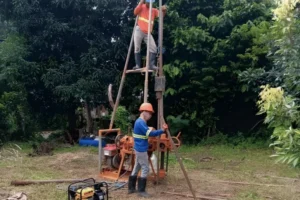
Soil Testing is not limited to a single method. It includes both field and laboratory procedures that work together to provide a complete understanding of soil behavior. Field Soil Testing evaluates conditions directly at the construction site, while laboratory Soil Testing provides controlled and detailed analysis of collected samples.
Importance of Soil Testing for Construction Projects
Structural Safety
Soil Testing plays a major role in ensuring structural safety. The stability of any building depends on soil bearing capacity, which is measured through Soil Testing procedures. If Soil Testing reveals weak soil conditions, engineers can redesign foundations to distribute loads more effectively.
Soil Testing also helps prevent uneven settling, which can cause structural damage over time. When Soil Testing is performed correctly, it ensures that the structure remains stable throughout its lifespan.
Cost Control in Construction
Soil Testing helps reduce construction costs by preventing unexpected issues during building. Without Soil Testing, projects may encounter soil-related problems that require redesign, reinforcement, or reconstruction.
Early Soil Testing allows engineers to plan foundation systems more accurately, reducing unnecessary material use and avoiding delays. Soil Testing also helps prevent long-term repair costs caused by structural failure or soil instability.
Regulatory Compliance
Soil Testing supports compliance with engineering standards and building regulations. Many construction codes require Soil Testing before foundation work begins.
Soil Testing ensures that design decisions are based on verified soil data rather than assumptions. This improves accountability and ensures that construction projects meet required safety standards.
Common ASTM Soil Testing Methods
ASTM D1586 – Standard Penetration Test (SPT)
Soil Testing using ASTM D1586 measures soil resistance by driving a split-spoon sampler into the ground. This Soil Testing method helps determine soil strength and density.
SPT results from Soil Testing are commonly used to design foundations and assess load-bearing capacity. This makes it one of the most widely used Soil Testing methods in geotechnical engineering.
ASTM D4318 – Atterberg Limits Test
Soil Testing under ASTM D4318 evaluates soil plasticity by measuring moisture content limits. This Soil Testing method helps determine how soil behaves when exposed to water.
Plasticity results from Soil Testing are important for identifying clay content and predicting soil expansion or shrinkage. This information is essential for foundation design and pavement construction.
ASTM D422 – Particle Size Distribution
Soil Testing using ASTM D422 determines the distribution of soil particles such as gravel, sand, silt, and clay.
This Soil Testing method helps classify soil types and understand drainage properties. Soil Testing results from particle size analysis are used to predict how soil will behave under load and moisture changes.
Field Testing vs Laboratory Testing in Soil Testing
Field Soil Testing
Field Soil Testing is performed directly at the construction site. This type of Soil Testing evaluates real ground conditions before or during construction activities.
Field Soil Testing includes procedures such as penetration testing and on-site evaluation of soil and foundation elements. It provides immediate data that supports early design decisions and construction monitoring.
Laboratory Soil Testing
Laboratory Soil Testing is conducted on collected soil samples under controlled conditions. This Soil Testing process provides detailed and highly accurate measurements of soil properties.
Laboratory Soil Testing allows engineers to analyze soil composition, strength, and behavior more precisely. It complements field Soil Testing by confirming site conditions with standardized testing procedures.
How Soil Testing Supports Foundation Design
Soil Testing plays a direct role in determining foundation type and design. Different soil conditions require different foundation solutions, and Soil Testing provides the data needed to make these decisions.
Soil Testing helps engineers choose between shallow and deep foundation systems based on soil strength and stability. It also helps identify potential settlement risks that may affect structural performance.
Without Soil Testing, foundation design becomes uncertain and may lead to structural instability. Soil Testing ensures that foundations are designed according to actual ground conditions rather than assumptions.
Soil Testing also supports long-term durability by ensuring that structures are built on soil capable of sustaining loads over time.
Role of Accredited Testing Laboratories in Soil Testing
Accredited laboratories play an important role in ensuring reliable Soil Testing results. Soil Testing must follow strict standards to guarantee accuracy and consistency.
Inch-On Materials Testing Laboratory provides Soil Testing services that follow ASTM and AASHTO standards. This ensures that all Soil Testing results meet engineering and regulatory requirements.
Soil Testing performed by accredited laboratories improves confidence in construction decisions. It ensures that data used for design and planning is reliable and professionally validated.
Benefits of Professional Soil Testing Services
Professional Soil Testing provides several advantages for construction projects.
Soil Testing improves safety by identifying weak or unstable soil conditions before construction begins. It supports accurate design by providing reliable soil data for engineers.
Soil Testing also reduces project delays by preventing unexpected ground-related issues. With proper Soil Testing, construction teams can plan more effectively and avoid costly redesigns.
Soil Testing contributes to long-term structural performance by ensuring that foundations are built on suitable ground conditions. This helps extend the lifespan of buildings and infrastructure.
When Soil Testing Is Needed
Soil Testing is required at multiple stages of construction planning and development.
Soil Testing should be conducted before building residential, commercial, or industrial structures. It is also essential for road construction and infrastructure projects where ground conditions affect performance.
Soil Testing is necessary during site evaluation, foundation design, and structural planning. It is also used when assessing existing structures that show signs of settlement or instability.
Early Soil Testing ensures that construction projects begin with accurate ground information, reducing risks throughout the project lifecycle.
Takeaway
Soil Testing is a fundamental part of safe and reliable construction. It provides essential information about ground conditions, helping engineers design stable and durable structures.
Soil Testing supports structural safety, cost efficiency, and regulatory compliance. It also plays a key role in foundation design and long-term performance.
Projects that include proper Soil Testing are better prepared for site conditions and less likely to experience structural problems. Soil Testing remains one of the most important steps in any successful construction process.
Frequently Asked Questions (FAQ)
What is Soil Testing in construction?
Soil Testing is the process of analyzing soil properties to determine its strength, composition, and suitability for construction.
Why is Soil Testing important before building?
Soil Testing is important because it helps identify ground conditions that affect structural safety and foundation design.
What are the common methods used in Soil Testing?
Common Soil Testing methods include Standard Penetration Test (ASTM D1586), Atterberg Limits (ASTM D4318), and particle size analysis (ASTM D422).
How does Soil Testing affect foundation design?
Soil Testing provides data on soil strength and behavior, which helps engineers select the appropriate foundation type.
Where is Soil Testing performed?
Soil Testing is performed both at construction sites through field testing and in laboratories through controlled analysis of soil samples.
How often should Soil Testing be done?
Soil Testing is typically done before construction begins and may be repeated if site conditions change or if structural issues appear.